Joes’ Cars Fort Myers · Buying Guide
What Marco Island Drivers Should Know Before Buying a Used Car
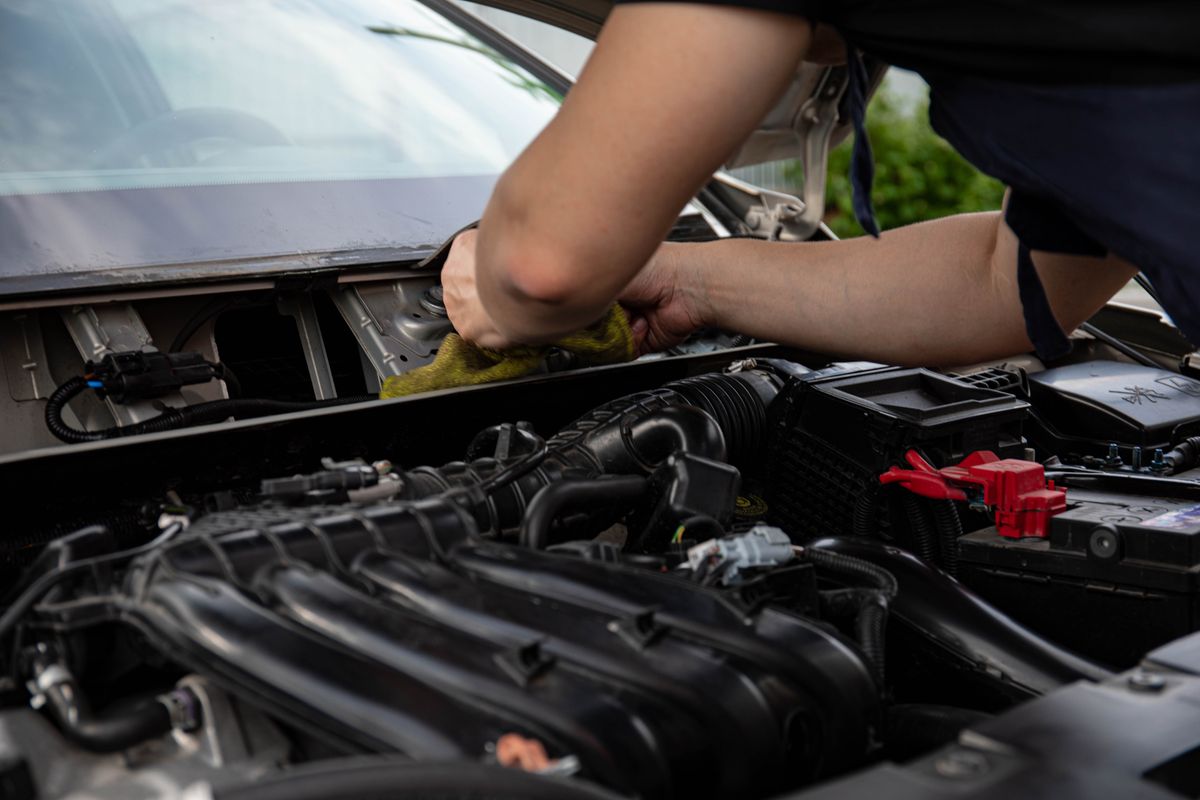
Photo via Pexels
Marco Island is the largest barrier island in Florida's Ten Thousand Islands, a resort island of condos, crescent beaches, and boating, and a car that lives here has a different job from a car that lives in Fort Myers. The drive from Joe's lot is about forty-five minutes south on I-75 and Collier Boulevard, across the bridges onto the island, and that trip is the dividing line between mainland life and island life. On the island, the car carries beach gear and boat supplies, waits in resort traffic, and sits in salt air. Off the island, it has to be comfortable on I-75 and US-41 for the run north to Fort Myers, Naples, and Bonita Springs.
That split is the key to buying well here. A beach-ready SUV or convertible sounds right, and it often is, but only if it also fits the boat ramp, the condo garage, and the daily drive to the shops and the beach. A car that is too big for the garage, too low for a flooded street after a summer downpour, or too thirsty for the daily I-75 run will wear on you fast. This guide walks through the island realities that should shape your choice, from the roads and the weather to the inspection checks that matter most on the coast, and the paperwork that follows a purchase in Fort Myers by a Collier County resident.
Before you shop, spend a day noticing your own island routine. How often do you tow or launch a boat? How many beach chairs, coolers, and passengers do you carry? Where do you park, and how tall is the garage clearance? The answers will narrow the choice faster than any list of models, and they will keep you from buying a car for the resort postcard instead of the life you actually live on Marco Island.
The island roads and the mainland run
Marco Island roads are a mix of wide resort boulevards, quiet residential streets, and the bridges that connect the island to the mainland, and a good island car has to be at ease in all three. Collier Boulevard is the main spine of the island, and in season it carries a steady stream of visitors, delivery trucks, and cars heading for the beaches and the Marco River. Test drive with that in mind: a car that is easy to see out of, easy to park, and calm in stop-and-go traffic will serve you better than a car that is fast in a straight line but awkward at low speed.
The mainland run is the other half of the test. I-75 south from Fort Myers to the Collier Boulevard exit is a fast, open highway, and the car should track straight, stay quiet, and hold a steady speed without constant correction. US-41 offers a slower alternative through Naples and Bonita Springs, with more traffic lights and more chances to feel how the car behaves in town. Before you buy, drive both kinds of road if you can, and pay attention to the air conditioning, because a system that feels fine on a short loop can fade on a long summer drive with the sun coming through the windshield.
Parking deserves a thought before you buy, not after. Many Marco Island condos have assigned spaces, low garage clearances, and tight turns, and a tall SUV that fits the boat ramp may not fit the garage. Measure your space, note the clearance, and bring those numbers with you when you shop. A beach-ready SUV is only beach-ready if you can park it at home, and a convertible is only fun if the top clears the garage door and the trunk still holds the beach bag.
Salt air, sand, and storm water
Salt air is a constant on Marco Island, and it works on a car even when the car is parked. When you inspect a used car for island life, look underneath first in your mind: the frame, the brake lines, the exhaust, and the suspension parts are where coastal corrosion shows earliest. Look for heavy rust and flaking rather than light surface film, and check the metal brackets and bolts under the hood for the same signs. Open the doors and look at the lower edges and the hinges, and check the trunk seal and the spare tire well for rust or staining. A car that has lived near the Gulf will show it in these places, and heavy corrosion is a reason to get a professional inspection or to walk away.
Sand is the island's other quiet wear item. It gets into door seals, window tracks, and seat mechanisms, and it grinds away at paint and trim if it is not cleaned off. When you inspect a car, run every window up and down and listen for grinding or slow movement, check the door seals for tears and trapped grit, and look at the paint on the lower panels for sandblasting. Check the air conditioning filter area and the cabin for a gritty feel, because a car that has carried beach gear for years without regular cleaning will show it inside as well as outside.
Storm water is the third risk, and it matters on a barrier island where summer downpours flood low streets and hurricane season brings surge. Check under the carpets for dampness, staining, or a musty smell, look at the seat bolts and the metal under the seats for rust, and inspect the trunk and the spare tire well for water lines or silt. A history report helps, and our guide to how to read a vehicle history report explains what to look for, but your own inspection comes first. A car that has been in standing water will keep developing electrical and corrosion problems, and no wash can hide that history from a careful buyer.
Beach gear, boats, and the right size
The right Marco Island car is the one that fits the gear you actually carry, and that means thinking in cargo terms rather than model terms. A beach-ready SUV earns its keep when it swallows beach chairs, umbrellas, coolers, and a paddleboard without a wrestling match, and when the cargo floor is easy to clean after a sandy day. Look for a flat load floor, tie-down points, and a rear seat that folds easily, and check that the cargo area is wide enough for the longest item you carry regularly. A convertible earns its keep differently, with open-air driving on the island's quieter roads, but it gives up cargo room and needs a top that seals well in a sudden shower.
If you tow a boat, the decision changes completely, and you should decide the towing need before you shop. Check the towing capacity in the owner's manual rather than trusting a sales listing, and make sure the car has the right hitch, wiring, and cooling for the load. Take the car to a boat ramp in your mind before you buy it: can you see behind you, can you back a trailer down a ramp, and does the car have the low-speed control to do it without drama? A car that tows well on the highway but struggles on a steep, wet ramp is the wrong car for the Marco River, and the ramp is where you will find that out.
Think about passengers too. Island life often means carrying family and visitors, and a car that seats five comfortably with room for bags will get used more than a car that seats two in comfort and four in apology. Sit in the back seat yourself during the test drive, check the headroom and the legroom, and make sure the air conditioning reaches the rear. A car that is comfortable for everyone on the forty-five-minute run to Fort Myers is a car you will keep longer, and comfort is worth more on the island than a feature you use once a year.
The inspection that matters on the coast
A coastal inspection puts extra weight on the cooling system, the air conditioning, and the electrics, because heat, humidity, and salt air punish all three. Start with the air conditioning and run it on full for several minutes. The air should stay cold, the compressor should not cycle on and off constantly, and there should be no musty smell that points to a clogged drain or mold in the system. A weak air conditioning system is not a minor fault in Southwest Florida, and it is one of the most expensive comfort repairs you can face.
Next, check the cooling system. Look at the coolant level and condition, watch the temperature gauge during a test drive that includes slow traffic and highway speed, and look under the car after the drive for any leaks. A gauge that climbs in traffic and falls at speed, or a fan that never runs, is a warning worth investigating before you buy. Check the battery too, because heat shortens battery life in Florida, and a battery that is old or swollen is a breakdown waiting for a hot afternoon on Collier Boulevard.
Then run every electrical item. Test every window, lock, mirror, and seat adjustment, and check the headlights, brake lights, turn signals, and hazard lights. Test the wipers and the washer, the horn, the radio, and the backup camera if there is one, and watch for warning lights that stay on or flicker. Electrical faults grow in humidity, so a car with several dead switches deserves a closer look. Our test drive checklist gives you a fifteen-minute routine that covers these checks in order, and it is worth bringing with you to the lot.
Paperwork, registration, and insurance for island buyers
The purchase happens in Fort Myers, but the title and registration follow you home, and for a Marco Island buyer home is in Collier County. That distinction is the key to the paperwork: you will complete your title transfer and registration with the Collier County Tax Collector, not the Lee County office, and you have thirty days from the date of sale to transfer the title into your name. Keep your bill of sale, your signed title, and your proof of insurance together, and do not let the deadline slip while you settle into island life.
Florida insurance is required before you drive, and you will need personal injury protection and property damage liability coverage at minimum. Call your insurer before pickup day, give them the vehicle information, and confirm the coverage is active for the drive south on I-75 and Collier Boulevard. Island buyers should also ask about comprehensive coverage, because storm, flood, and falling debris risks are real on a barrier island, and the right coverage is part of owning a car here. Bring proof of your Marco Island address to the tax collector, confirm the office hours and whether an appointment is needed, and bring identification and the signed title with you.
Sales tax follows Florida rules, with the state rate plus the county surtax, and title and registration fees are set by the state. If you are transferring a plate from a car you already own, bring the plate and the registration and ask whether a transfer or a new plate makes more sense. Our guide to Florida title, registration, and insurance walks through the documents in order, and it is worth reading before your visit so you arrive prepared and leave with the registration in hand.
Frequently asked questions
Is an SUV or a convertible better for Marco Island? It depends on how you use the island, because an SUV carries beach gear, boat supplies, and passengers more easily and handles the boat ramp better, while a convertible is at its best on slow, open island roads. If you tow, carry a lot of gear, or drive to Fort Myers often, the SUV usually wins, but if your trips are short and your garage fits it, a convertible with a sound top and strong air conditioning can be a wonderful island car.
How do I check a used car for salt air damage? Look underneath at the frame, brake lines, exhaust, and suspension for heavy rust and flaking, check the metal brackets and bolts under the hood, and inspect the lower door edges and the trunk for bubbling paint or staining. Light surface film is normal near the coast, but deep flaking, holes, or rusted-through parts are serious, and a professional inspection is the right next step when you see them.
What should I look for on flood damage? Check under the carpets for dampness, staining, or a musty smell, look at the seat bolts and the metal under the seats for rust, and inspect the spare tire well for water lines or silt, then read the history report for flood or salvage branding. A car that has sat in standing water can develop electrical and corrosion problems long after it looks dry, so trust your eyes and nose and walk away if several signs point the same way.
Do I register the car in Collier County even though I bought it in Fort Myers? Yes, because Marco Island is in Collier County, and title transfer and registration follow the county where you live, so you will complete the process with the Collier County Tax Collector within thirty days of the sale. The purchase happens in Fort Myers, in Lee County, but your home address decides the office, and that distinction is the one to remember when you plan the visit.
Will a tall SUV fit in my condo garage? It depends on the garage, and you should measure the clearance, the width of the space, and the turning room before you shop, then bring those numbers with you to the lot. Many Marco Island condos have low clearances and tight turns, and a car that fits the boat ramp but not the garage is the wrong car, so check the height in the specifications and measure the real space at home.
If you are ready to find a car that fits Marco Island life, browse the inventory, look at the Marco Island page for more about the area, and then call Joe at (239) 364-0709 to book an appointment. Bring your garage measurements and your beach gear list with you, and we will help you find a car that handles the crescent beaches, the Marco River, and the I-75 run north without a fuss.
Questions about a car?
Call Joe — he’ll give you a straight answer and, if there’s a car you like, have it ready for a test drive.
Book an appointmentBrowse inventory

