Joes’ Cars Fort Myers · Paperwork
Title, Registration, and Insurance in Florida: The Paperwork After You Buy
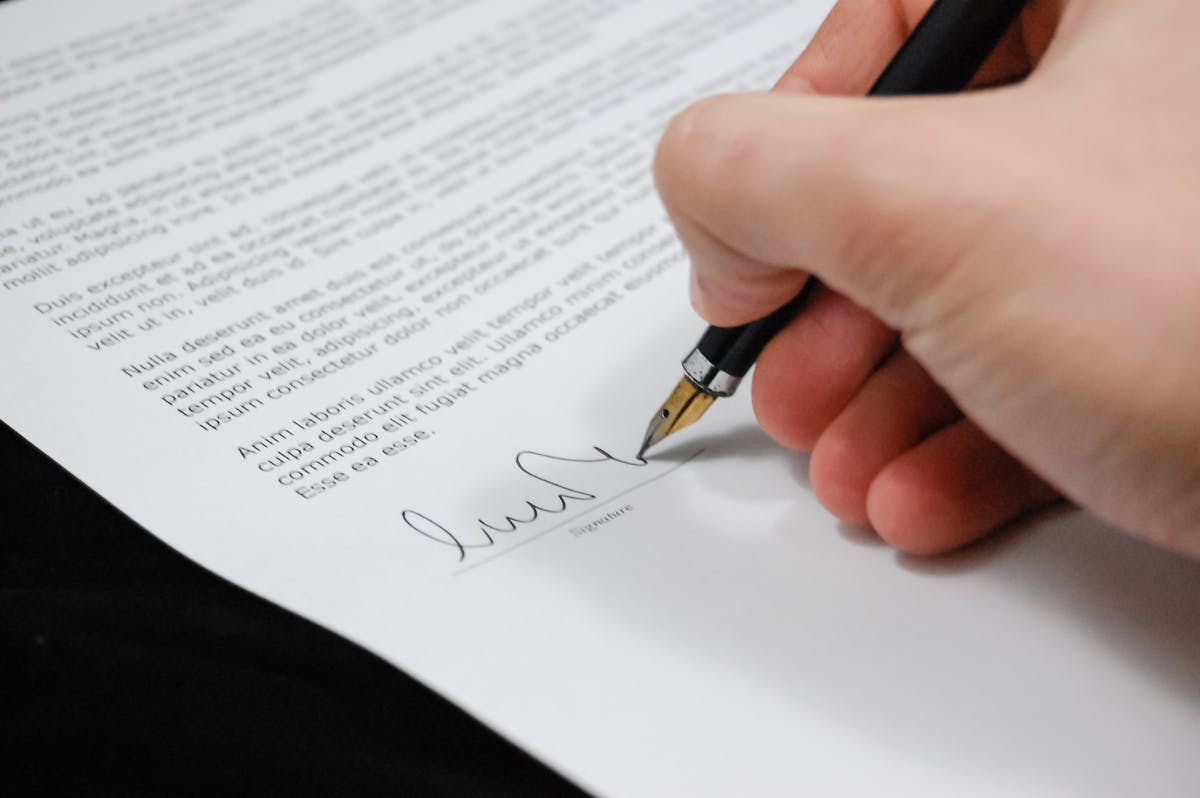
Photo by Pixabay via Pexels
The car is the fun part. The paperwork is the part that decides whether you can legally drive it, and it is the part most buyers think about last. In Florida the rules are clear and the process is straightforward, but only if you know what to bring, what to sign, and what the deadlines are. Miss a step, sign the wrong line, or let the 30-day window slide, and a smooth purchase turns into repeat trips to the tax collector's office in the heat.
This guide covers the three pieces that follow every used-car purchase in Florida: title transfer, registration, and insurance. It is written for Lee County, so the office, the timing, and the local details are the real ones. Read it before you buy, not after, and you will walk into the tax collector's office once, with everything you need, instead of discovering what you forgot at the counter.
The title: the most important piece of paper
The title is the legal proof of who owns the car, and everything else depends on it being right. When you buy, the seller signs the title over to you, filling in your name as the buyer, the date, and the odometer reading. Check every line before you leave. The seller's signature must match the name on the front of the title exactly. The odometer reading must be accurate. Any mistake, any correction, any white-out on a title can cause the tax collector to reject it, and fixing a bad title can take weeks.
Look at the front of the title before you pay. Check whether there is a lien listed, because a lien means a lender still has a claim on the car, and the lien has to be released before the transfer goes through. Check for any brand, such as salvage, rebuilt, or flood. A brand follows the car and affects both insurance and resale, so you need to know about it before you pay, not after. Check that the vehicle identification number on the title matches the number on the dashboard and the driver's door jamb. A mismatch is a reason to stop and sort it out before any money changes hands.
Keep the signed title safe. Do not fold it, do not leave it in the car, and do not lose it. In Florida you have 30 days to transfer the title into your name, and the signed title is the document that makes that transfer possible. If you bought from a dealer or an independent seller like Joe, much of the title work is usually handled for you, but you should still know what is being filed and when. If you bought from a private seller, you handle it all yourself, so understanding the title before you sign is essential.
Registration at the Lee County Tax Collector
Registration happens at the Lee County Tax Collector's office, and you have 30 days from the date of purchase to complete the title transfer and registration. Whether you drive in from Cape Coral across the Midpoint Bridge, from Lehigh Acres down State Road 82, or from Gateway via Daniels Parkway, plan the trip in the morning before the afternoon heat and the summer downpours. Do not let that deadline slide. Late fees add up fast, and driving with an expired temporary arrangement or an unregistered car can create problems that are far more expensive than the trip to the office would have been. Put the deadline on your calendar the day you buy, and aim to go within the first week, while everything is fresh and the paperwork is all in one place.
Bring the signed title, proof of Florida insurance, and your ID. If the car is financed, bring your lienholder's information as well, because the lender will be listed on the new title. If you are transferring a plate from a car you already own, bring that registration too. If you are buying from out of state and bringing the car to Florida, you will need the out-of-state title, a VIN verification, and Florida insurance before the tax collector will register it. The VIN verification is a straightforward check that the number on the car matches the number on the title, and it is required for out-of-state vehicles.
Florida charges 6 percent state sales tax plus the Lee County surtax on the purchase, along with title and registration fees. A trade-in earns a tax credit on its value, which lowers the taxable amount, and that is real money worth understanding before you buy. Our guide to how to buy a used car in Florida explains how the tax credit works in the full buying process. At the counter, the tax collector will calculate what you owe, issue your new title in your name, and give you your registration and plate. Keep the registration in the car and the title somewhere safe at home, never in the glove box.
Insurance: what Florida requires
Florida requires personal injury protection and property damage liability, and you must have proof of insurance before you drive the car home. This is not a formality. The tax collector will ask for proof of Florida insurance at registration, and driving without it can lead to a suspended license and a suspended registration, which is a far bigger headache than a phone call to your insurer. Call your insurer with the VIN as soon as the deal is done, and get the coverage in place before you turn the key to drive home.
Get an insurance quote on the exact car before you commit to buying it. The rate depends on the car, your driving record, and where you live in Lee County, and the difference between a small sedan and a large SUV can be large enough to change which car you should buy. If you are financing, your lender will also require comprehensive and collision coverage, so ask your insurer for the full picture, not just the state minimums, before you sign a loan. A car that looks affordable on its monthly payment but carries a heavy insurance cost is not affordable, no matter what the payment says.
New Florida residents should bring their out-of-state record and ask about Florida-specific requirements. Florida's insurance rules are different from most other states, and a policy from another state does not automatically satisfy Florida law. If you are moving to Fort Myers from elsewhere, talk to a Florida-licensed agent before you buy, and make sure your coverage is in place under Florida rules from the day you drive the car. Keep proof of insurance in the car at all times, and keep your insurer's contact details where you can reach them quickly if you need them on the road.
The bill of sale and your records
A bill of sale is a simple document that records who sold the car to whom, for what, and when. It protects both sides, and it is especially important in a private sale, where there is no dealer record to fall back on. A good bill of sale includes the buyer and seller names, the date, the vehicle identification number, the year, make, and model, the odometer reading, and the sale terms. Both parties should sign it, and both should keep a copy. If anything is ever disputed, the bill of sale is the document that settles it.
Keep everything from the purchase together in one folder. The signed title, the bill of sale, the history report, the inspection report if you had one, the insurance documents, and the registration. If you traded in a car, keep that paperwork too, including the old title and any loan payoff confirmation. Good records make selling or trading the car later far easier, and they protect you if a question ever comes up about the car's history or the terms of the sale. A buyer who keeps clean records is a buyer who can prove what they bought and what they paid for it.
Common paperwork mistakes in Fort Myers
The most common mistake is missing the 30-day deadline. Life gets busy, the car drives fine, and the trip to the tax collector keeps slipping. Then the late fees arrive, and the registration process gets harder instead of easier. Go early, go once, and get it done. The second most common mistake is signing a title with an error on it. A wrong name, a wrong odometer reading, or a signature in the wrong place can all cause a rejection at the counter, and fixing it means tracking down the seller and starting again. Read every line before you sign, and read every line the seller signs too.
Another mistake is buying a car with a lien still on the title and assuming it will sort itself out. It will not. The lien has to be released by the lender, and the release has to be documented before the transfer goes through. Ask about liens before you pay, and get the release in writing. A related mistake is buying a car with a branded title without understanding what the brand means. Salvage, rebuilt, and flood brands affect insurance, resale, and in some cases whether a lender will finance the car at all. Know the brand before you pay, and price the car accordingly.
Finally, do not leave the tax collector's office without checking what you were given. Make sure the new title has your name spelled correctly, the vehicle identification number matches, and the lienholder, if any, is listed correctly. Check that the registration has the right plate and the right expiration. Mistakes caught at the counter take minutes to fix. Mistakes caught months later take far longer.
Frequently asked questions
How long do I have to transfer the title after buying a used car in Florida? You have 30 days from the date of purchase to transfer the title into your name and register the car at the Lee County Tax Collector. Do not let the deadline slide, because late fees add up fast. Aim to go within the first week, while the paperwork is all in one place and the details are fresh. Bring the signed title, proof of Florida insurance, and your ID, and bring your lienholder's information if the car is financed.
What do I need to bring to the tax collector's office? Bring the signed title, proof of Florida insurance, and your ID. If the car is financed, bring the lienholder's details. If you are transferring a plate from another car, bring that registration. If you bought from out of state, bring the out-of-state title and be ready for a VIN verification. If you are unsure about anything, call the tax collector's office before you go, because a single missing document means a second trip across town in the heat.
Do I need insurance before I can register the car? Yes. Florida requires personal injury protection and property damage liability, and you need proof of Florida insurance before you drive the car home and before the tax collector will register it. Call your insurer with the VIN as soon as the deal is done. Get a quote on the exact car before you commit, because the rate can change which car makes sense, and if you are financing, your lender will also require comprehensive and collision coverage.
What if the title has a lien on it? A lien means a lender still has a claim on the car, and it has to be released before the transfer goes through. Ask about liens before you pay, and get the release documented in writing. If you are buying from a private seller with a loan still outstanding, make sure you understand exactly how the payoff and release will happen, and do not hand over full payment until the release is sorted. If you bought from Joe, ask what is filed and when, so you know where the title stands.
What is the difference between the title and the registration? The title proves who owns the car. The registration proves the car is registered to drive on Florida roads, and it comes with your plate and your registration document. You need both. The title stays safe at home, and the registration stays in the car. When you sell the car later, you will sign the title over to the next buyer, and they will go through the same process at the tax collector that you are going through now.
Paperwork is not the fun part of buying a car, but it is the part that makes the car legally yours. Get the title right, go to the Lee County Tax Collector within 30 days, have Florida insurance in place before you drive, and keep every document in one folder. If you want help with any of it, call Joe at (239) 364-0709 or contact Joes' Cars before you buy, and browse the inventory to find the car you want to bring home. He will walk you through the paperwork himself, so you drive away knowing exactly where you stand.
Questions about a car?
Call Joe — he’ll give you a straight answer and, if there’s a car you like, have it ready for a test drive.
Book an appointmentBrowse inventory