Joes’ Cars Fort Myers · Selling & Trading
Selling Your Car to a Friend or Family Member

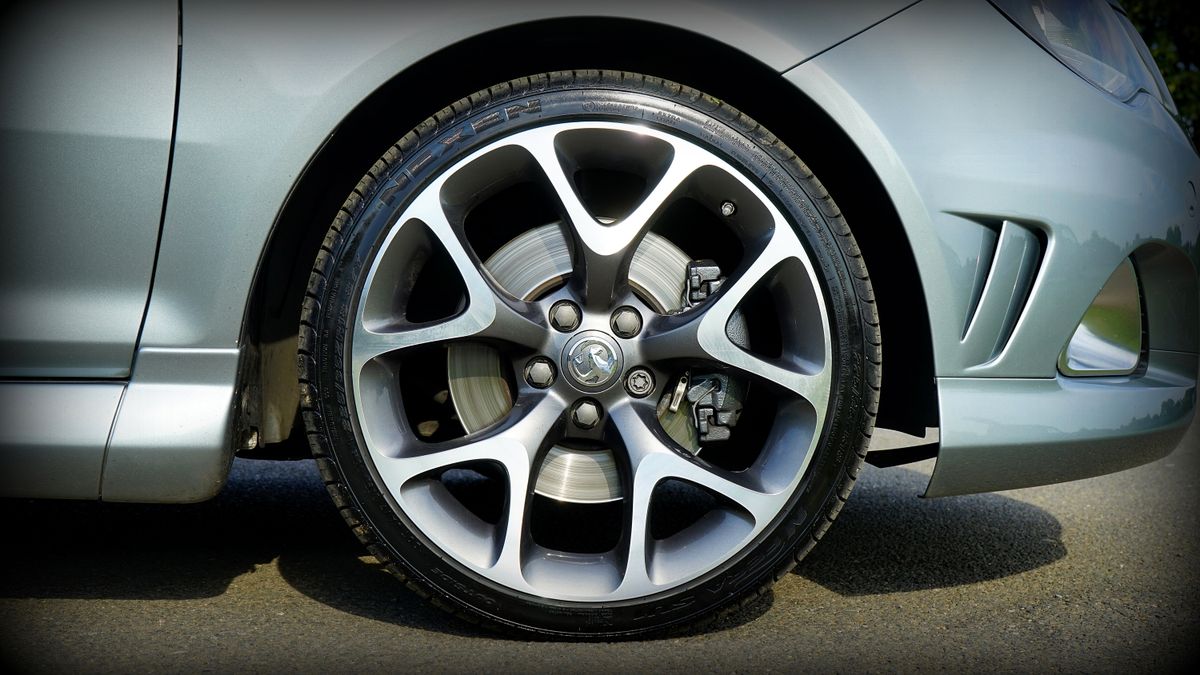
Photo via Pexels
Selling a car to a stranger is a transaction. Selling a car to a friend or a family member is a transaction with a relationship attached, and that changes everything. The money is the same, the paperwork is the same, but the stakes are higher — because if the car breaks down a month later, or the price feels unfair, or the payments drag on, you do not just lose a sale. You damage a relationship you actually care about.
That does not mean you should never sell to someone you know. Some of the smoothest car sales are between people who trust each other, because trust removes the friction that makes private sales stressful: no strangers, no suspicious messages, no worrying about who is coming to look at the car. But the trust only helps if you treat the sale with the same care you would give a stranger — and in some ways, more. This guide covers how to price fairly, disclose honestly, handle payment cleanly, and do the paperwork properly, so the car changes hands and the relationship stays intact.
Start with an honest conversation, not a price
Before you talk numbers, talk about the car itself — honestly, and in person, not over text. Tell your friend or family member everything a stranger would discover on a test drive and an inspection: the good, the worn, and the broken. The AC that struggles on the hottest afternoons. The tire that loses a little air. The dent from the parking lot on Colonial Boulevard. The service you have been putting off. In a sale to a stranger, honesty is good practice. In a sale to someone you know, it is the foundation of the relationship afterward.
This conversation is also where you find out what they actually need. Maybe your cousin needs a reliable commuter for the drive down I-75 to work, and your car fits perfectly. Maybe your friend's teenager just got a license and needs a first car, and yours is a good match — our guide to first car for a teen can help them think through what matters. Or maybe the car is not right for them at all, and the kindest thing is to say so before anyone gets attached to the idea. A car that does not fit their life will become a source of friction no matter how good the price is.
Be clear from the start about what you are offering and what you are not. Are you selling as-is, with no promises after the sale? Are you willing to help with anything that comes up in the first few weeks? There is no single right answer, but there is a wrong one: leaving it vague. Vagueness is where resentment grows. Say plainly what the deal includes, and then put it in writing — more on that below.
Price it fairly — and say how you got there
Pricing is where most friend-and-family sales go wrong, because both sides have expectations that are never spoken aloud. The seller thinks they are doing a favor and expects gratitude; the buyer thinks they are getting a family discount and expects a bargain. When the number lands somewhere in between, both sides can feel slightly cheated, and nobody says so until it festers.
The fix is to price the car the way you would price it for a stranger, and then decide openly whether you are offering a discount. Research the local market the same way you would for any private sale — comparable cars in Fort Myers, Cape Coral, and Lehigh Acres, adjusted for your car's condition and mileage. Our guide to how to price your used car in Lee County walks through that research step by step. Then, if you want to offer a friend or family price, name it as a discount from the fair market value, so everyone knows what the favor actually is.
Disclose everything, in writing
With a stranger, a thorough disclosure protects you legally. With someone you know, it protects the relationship. Write down the car's condition as you understand it: the mileage, the service history, any accidents or damage you know about, any repairs that are coming due, and anything that does not work properly. Give them a copy, and keep a copy yourself.
Invite them to have the car inspected by a mechanic of their choice, and mean it. A pre-purchase inspection is not an insult to your honesty — it is a smart step for any buyer, and it protects you too, because it creates an independent record of the car's condition at the time of sale. If the inspection finds something you did not know about, you can decide together whether to adjust the price or walk away. If it finds nothing, everyone feels better about the deal. The inspection costs the buyer a little, but it buys peace of mind for both of you.
Pay special attention to Florida-specific issues. If the car has ever been through standing water during a summer downpour or a hurricane-season storm, say so. If it has spent years near the coast and has rust underneath, point it out. Buyers in Lee County are rightly cautious about flood and salt-air damage, and our guide to flood and salt air damage in Florida explains what to look for. A friend who discovers flood history after the sale will not just be upset about the car — they will feel you hid something from them, and that feeling lasts far longer than any repair bill.
Handle payment cleanly — no installments to people you love
This is the most important advice in this guide: do not sell a car to a friend or family member on installments. Do not take payments over time. Do not accept "I will pay you when I get paid" or "let me pay you back over the next few months." A payment plan turns you into their creditor, and every late payment becomes a conversation you do not want to have at a family dinner or a neighborhood barbecue. It strains the relationship in a way that a clean, one-time payment never does.
The clean way to do it is simple: the buyer pays in full, on the day of the sale, in a verifiable way — cash, a cashier's check verified with the issuing bank, or a direct bank transfer confirmed in your account. If the buyer cannot pay in full, they are not ready to buy the car, and the kindest thing is to say so. They can save up, or they can arrange financing through their bank or credit union, which is designed for exactly this situation. Our guide to financing a used car before you apply can help them prepare.
If you genuinely want to help them afford the car, there are better ways than a payment plan: a fair price, a clear discount you name openly, or help with the practical steps like the trip to the Tax Collector's office. All of those are generous without turning you into a lender. And if the buyer is financing, their lender will handle the payment directly and may want to verify the title first — that is normal and adds a layer of safety for everyone.
Do the paperwork exactly like a stranger sale
It is tempting to skip the paperwork when you are selling to someone you trust. Do not. The paperwork is what protects both of you, and it is also what makes the sale real. A handshake and a promise are not a title transfer, and the state of Florida does not care that you are cousins.
Complete the title transfer together, in person, with the buyer's name filled in, the odometer reading recorded accurately, and the date of sale noted. Never sign a blank title, and never leave the buyer's name blank so they can fill it in later — that is title jumping, and it is illegal in Florida. Write a bill of sale with the year, make, model, VIN, mileage, date, both names, and the sale amount, and both of you sign it and keep a copy. The full checklist is in our guide to private sale paperwork in Florida.
The buyer has 30 days to transfer the title at the Lee County Tax Collector's office, where they will pay the 6 percent state sales tax plus the county surtax. Remove your license plate before they drive away — in Florida, the plate stays with the seller — and take your toll transponder out of the car, or you will keep getting charged every time they cross the Midpoint Bridge or the Cape Coral Bridge. Cancel your insurance on the car the same day. Doing all of this properly is a gift to the relationship: it means there is nothing left to argue about later, because everything is documented.
What if something goes wrong after the sale
Even with the best intentions and a thorough inspection, used cars sometimes develop problems after a sale. A part fails, a warning light comes on, something you never noticed suddenly matters. When the buyer is a stranger, this is a straightforward situation: the sale was as-is, and the problem is theirs to fix. When the buyer is your brother, your best friend, or your daughter, it is not straightforward at all.
This is why the written disclosure and the as-is bill of sale matter so much. They give both of you a shared, written record of what was known and agreed at the time of sale. When a problem appears, you can point to that record together, calmly, and talk about what is fair — rather than arguing from memory about what was said and what was promised. In many cases, the right move is a small gesture of goodwill: helping them find a good mechanic, sharing what you know about the car's history, or splitting the cost of something neither of you saw coming. That is your choice, not an obligation, and it is much easier to make generously when the terms of the sale were clear from the start.
The other thing that helps is expectations set before the sale. If you told them plainly that the car is older, that it will need attention, and that you are selling it as-is, then a problem a month later is an expected part of owning an older car, not a betrayal. If you told them the car was perfect and nothing would ever go wrong, then the same problem feels like a broken promise. The words you use before the sale shape how the problems after the sale will feel. Choose them carefully, and be honest.
Frequently asked questions
Should I give a family discount? That is your choice, and it is a kind one — but name it openly. Research the fair market value, then say clearly what discount you are offering and why. A named discount is a gift everyone can appreciate. An unnamed one, where the buyer assumes a bigger discount than you intended, creates quiet resentment on both sides. Be explicit and generous, or be explicit and firm — just be explicit.
What if they cannot afford the car right now? Then they cannot afford the car right now, and the kindest answer is to wait. Do not create a payment plan, and do not lend them the money to buy your car. If you want to help, help them find a car that fits their budget — our guide to how to buy a used car in Florida is a good starting point — or help them prepare for financing. A car they can afford is a better gift than a car they cannot.
Do I really need a bill of sale for a family sale? Yes, more than for a stranger sale. The bill of sale is your shared record of what was agreed, and it protects both of you if anything is ever disputed — by either of you, or by a third party like a toll authority or an insurer. It takes ten minutes to write and sign. There is no reason to skip it, and every reason to do it properly.
What if the car breaks down a week after I sell it to my friend? That is the hardest moment in a friend-and-family sale, and it is why the disclosure and the as-is agreement matter. Talk about it honestly, look at what was known at the time of sale, and decide together what is fair. Sometimes the right answer is to help with the repair as a gesture of goodwill. Sometimes the right answer is to remind each other gently that the sale was as-is and the car is now theirs. Either way, the conversation goes better when the terms were clear from the start.
Can I sell a car to a family member if there is still a loan on it? Yes, but the lien has to be dealt with first. You need to pay off the loan and get the lien released before you can transfer a clean title. The cleanest way is to handle the payoff as part of the sale, with the buyer paying you and you paying off the lender, or by meeting at the lender's office. Do not promise a clean title until you know exactly when the lien will be released. Our guide to private sale paperwork in Florida covers liens in more detail.
Selling to someone you know can be one of the best car sales you ever make — or one of the most awkward. The difference is almost always in how carefully you handle the parts people are tempted to skip: the honest conversation, the fair price stated openly, the written disclosure, the clean payment, and the proper paperwork. Do all of that and the car changes hands with the relationship stronger, not weaker. If you would rather keep the sale at arm's length and let a professional handle it, call Joe at (239) 364-0709 — Joes' Cars can talk about a trade-in, and you can browse the current inventory at joescarsfortmyers.com to see what your next car might be.
Questions about a car?
Call Joe — he’ll give you a straight answer and, if there’s a car you like, have it ready for a test drive.
Book an appointmentBrowse inventory