Joes’ Cars Fort Myers · Family
A First Car for Your Teen: Safe, Sensible, and Affordable
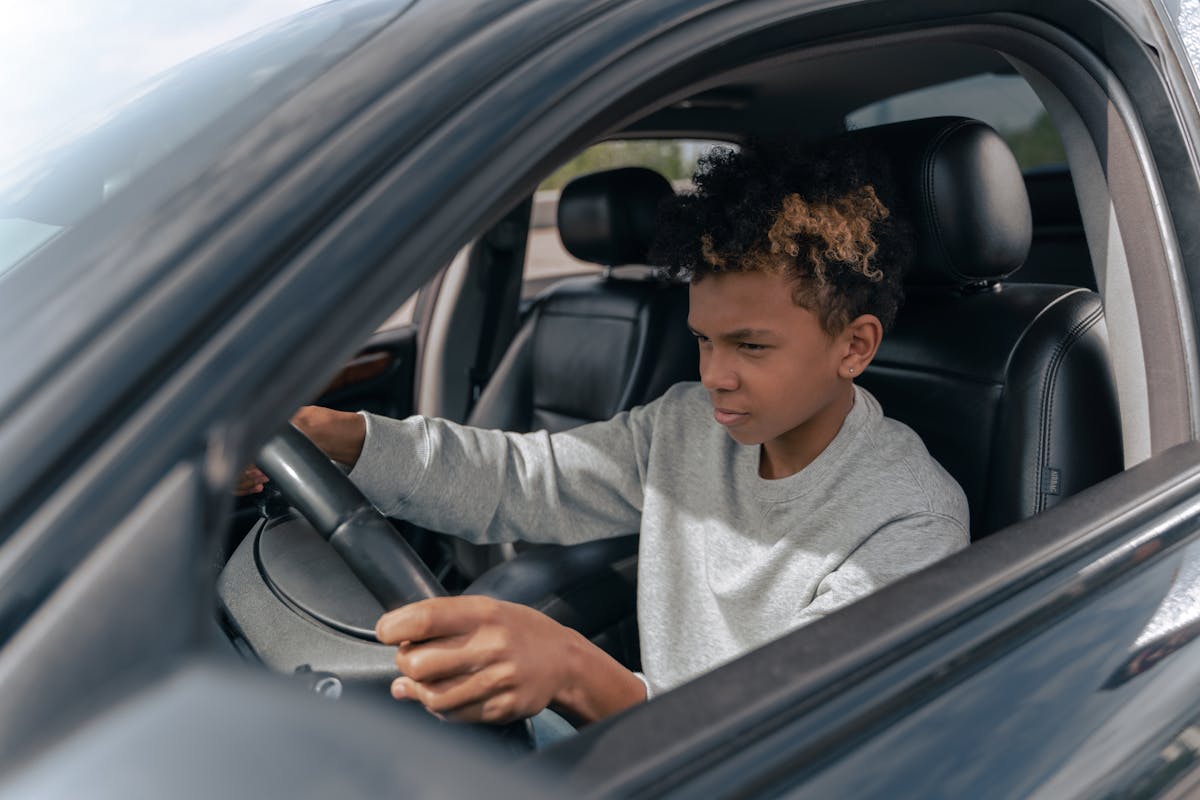
Photo by Ron Lach via Pexels
Buying a first car for your teenager is different from buying a car for yourself. You are not shopping for speed, style, or the newest features. You are shopping for the car that gives a brand-new driver the best chance of staying safe while they learn, that will not leave them stranded on the way to school, and that will not cost your family a fortune in insurance and repairs. That changes every priority, and it should.
This guide is written for Fort Myers families, because the roads, the weather, and the insurance rules here change the answer. A teen who drives US-41 to school, crosses the Midpoint Bridge to Cape Coral, or sits in afternoon traffic on Colonial Boulevard needs a car that is visible, reliable, and forgiving. Follow this guide in order, involve your teen in the process, and you will end up with a car that teaches good habits instead of bad ones.
Safety first, and what that really means
Safety is the first filter, and it means something specific for a new driver. Look for a car with a strong safety record, modern airbags, stability control, and anti-lock brakes. Those systems matter far more for a teen than horsepower or a premium sound system, because they help when a new driver panics, brakes too hard, or swerves to avoid something on the road. A car with good crash protection gives your teen a margin for error while they are still building judgment, and judgment is the one thing no feature can replace.
Size matters too, but not the way most people think. A very small, light car can feel nervous at highway speed on I-75, and it offers less protection in a crash. A very large truck or SUV can be hard for a new driver to park, to judge in tight spaces, and to control in an emergency stop. A mid-size sedan or a small SUV is usually the sweet spot: big enough to feel stable and protective, small enough to park at school and manoeuvre through a gated community without stress. Visibility matters as well. A car with big windows, thin pillars, and a clear view in every direction helps a teen see hazards early, and seeing early is the whole game for a new driver.
Avoid cars with a lot of power for a first car. A teen does not need fast acceleration, and fast acceleration invites exactly the kind of driving you do not want them practising. A modest, predictable car teaches smooth driving, and smooth driving is safe driving. Check the tires too, because good tires with real tread are what keep a car planted in a summer downpour on Daniels Parkway, and old tires are a hidden risk on any used car.
Reliability beats everything else
A first car has to start every morning, get your teen to school, and get them home again, without drama. Reliability is not a luxury for a new driver. It is the difference between a teen who learns to drive with confidence and a teen who learns to dread the car. A car that stalls, overheats, or leaves them stranded on the side of US-41 in the heat will teach them the wrong lessons, and it will cost you far more in worry than any repair bill.
Look for a car with a simple, proven design and a clear maintenance history. A car that was serviced regularly, with records to show for it, is worth more than a flashier car with no history. Check the air conditioning carefully, because a teen who is hot, uncomfortable, and distracted is not a safe driver, and Fort Myers heat makes a weak AC a daily problem from May through October. Check the brakes, the tires, and the battery, because those are the three things most likely to fail at the worst moment.
Get a pre-purchase inspection from an independent Fort Myers mechanic before you buy. The inspection puts the car on a lift, checks the frame, brakes, suspension, and fluids, and tells you what will need attention in the next year. It is the best money you will spend on a first car, because it turns a guess about reliability into a mechanic's honest assessment. Our guide to good deal or money pit will help you weigh what the inspection finds, and our guide to how to buy a used car in Florida puts the whole process in order.
The Florida license path and your teen
In Florida, a teen can get a learner's permit at 15 and a license at 16, with practice and testing requirements along the way. That means your teen will spend a year or more driving with you before they drive alone, and that year is the most valuable teaching time you will ever have. Use it. Drive with them in every condition Fort Myers offers: rain, heat, night driving, highway driving on I-75, and stop-and-go traffic on Colonial Boulevard. A teen who has only practised on quiet streets on sunny days is not ready for a summer downpour on the way home from school.
Set clear rules before the car becomes theirs. No phone use while driving, no more passengers than the law and your family rules allow, no driving late at night without a reason, and no driving in weather they are not ready for. Put the rules in writing and talk about them together, so your teen understands why they exist. The goal is not to control every trip. It is to build habits that keep working when you are not in the passenger seat, and habits are built by repetition, not by lectures.
Talk about what to do when something goes wrong. A flat tire, a warning light, an overheating engine, or a minor crash are all things a new driver should know how to handle, or at least who to call. Make sure your teen knows where the spare tire and jack are, how to call you, and that they should never try to fix a car on the side of a busy road. Pulling safely off I-75 or US-41 and calling for help is always the right choice.
Insurance for a teen driver
Insurance is where many families get a shock, because adding a teen driver can raise a family's premium significantly. Florida requires personal injury protection and property damage liability, and the rate for a teen reflects the simple fact that new drivers have more crashes. Get quotes before you buy the car, not after, because the car you choose makes a real difference. A modest sedan usually costs less to insure than a large SUV or a car with a powerful engine, and that difference can be large enough to change which car you should buy.
Ask your insurer about discounts for good grades, for driver education courses, and for safety features. Ask whether a higher deductible makes sense for your family, and ask what happens to your rate if your teen has a minor incident. Some families find it helps to put the teen's car in a parent's name with the teen listed as a driver, while others keep it separate. Your insurer can explain the options for your situation, and it is worth a proper conversation rather than a quick online quote.
Remember that insurance is not just a bill. It is the protection that keeps a single mistake from becoming a financial disaster for your family. Make sure your teen understands that too, because a driver who knows what a crash costs, in money and in consequences, drives more carefully than one who thinks insurance makes everything disappear.
Involve your teen in the choice
A teen who helped choose the car will take better care of it than a teen who was simply handed the keys. Bring your teen to look at cars, let them sit in the driver's seat, and ask them what matters to them. Then talk through the trade-offs together. They may want style or a certain colour. You want safety and reliability. A good first car satisfies both, and the conversation itself teaches your teen how to make a considered purchase instead of an impulsive one.
Teach them to inspect a car too. Show them how to check the tires, the oil, the coolant, and the air conditioning. Show them what flood and salt damage look like, because a teen who will drive in Fort Myers needs to know why those checks matter. Our guide to flood and salt-air damage in Florida is a good read together, and it will make the inspection feel like a shared project rather than a parental lecture. Take the car for a test drive together, following our 15-minute test drive checklist, and let your teen drive part of it while you observe.
Set a budget together as well. If your teen is contributing to the cost, even a small amount, they will value the car more and treat it better. If the family is paying, be honest about what the budget covers and what it does not, including insurance, fuel, and maintenance. A teen who understands the full cost of a car is a teen who is ready to own one.
Habits that keep a new driver safe
The car is only half the story. The other half is the habits your teen builds in the first year. The most important habit is the phone. Put it away, out of reach, before the car moves. No text, no call, and no social feed is worth a crash, and a teen who learns to drive without the phone will carry that habit for life. The second habit is speed. Fort Myers roads invite speeding, especially the long straight stretches of I-75 and the wide lanes of Daniels Parkway, but speed is what turns a small mistake into a serious crash. Teach your teen to drive at a speed that matches the conditions, not the speed limit alone, and especially to slow down in rain.
The third habit is space. Teach your teen to leave room ahead, to check mirrors often, and to expect the unexpected from other drivers, especially in snowbird season when the roads fill with drivers who do not know the area. A teen who leaves space has time to react, and time is what a new driver needs most. Finally, teach your teen to respect the weather. Summer downpours flood low streets around Fort Myers fast, and standing water can hide a deep dip or a stalled car. If the road looks flooded, turn around. No trip is worth driving through water you cannot see through.
Frequently asked questions
What is the safest type of car for a teen driver? A mid-size sedan or a small SUV with a strong safety record, modern airbags, stability control, and anti-lock brakes is usually the best choice. It is big enough to feel stable on I-75 and protective in a crash, but small enough to park and manoeuvre easily. Avoid cars with a lot of power, because fast acceleration invites risky driving, and avoid very small cars that can feel nervous at highway speed. Check the tires, brakes, and air conditioning carefully, and get a mechanic's inspection before you buy.
Should my teen's first car be a used car? For most families, yes. A used car costs less to buy and less to insure than a new one, and a first car is the car your teen will learn on, which means it will pick up its share of scrapes and dings. A reliable used car with a clear history and a clean inspection is a far better first car than a new car that stretches the family budget. The money you save can go toward insurance, maintenance, and the driving lessons that actually keep your teen safe.
How much will insurance cost for my teen? It varies a lot by car, by your record, and by where you live in Lee County, so get quotes on the exact car before you buy. A modest sedan usually costs less to insure than a large SUV or a powerful car. Ask about discounts for good grades and driver education, and ask your insurer to explain the options for listing your teen as a driver. Do not guess at this number. Get the real quote first, because it can change which car makes sense for your family.
When can my teen start driving in Florida? A teen can get a learner's permit at 15 and a license at 16, with practice and testing requirements along the way. That year of supervised driving is the most valuable teaching time you will have, so use it in every condition Fort Myers offers, including rain, night driving, and highway driving. Set clear family rules before the car becomes theirs, and put them in writing so everyone understands them.
Should I let my teen help choose the car? Yes, and it makes a real difference. A teen who helped choose the car will take better care of it and drive it more responsibly. Bring them to look at cars, let them test drive with you, and talk through the trade-offs between what they want and what keeps them safe. Teaching them to inspect a car, check the tires, and read a history report is a life skill, not just a shopping trip, and it starts them on the road to being a thoughtful car owner.
Choosing a first car is a milestone, and it deserves the time to get it right. Put safety and reliability first, get the inspection and the insurance quote before you commit, and involve your teen in every step. Then browse the inventory together to find a car that fits, or call Joe at (239) 364-0709 and talk through what your family needs. He will help you find a safe, sensible car for your teen, and he will answer straight questions about anything you find, so your teen starts driving with confidence and you start with peace of mind.
Questions about a car?
Call Joe — he’ll give you a straight answer and, if there’s a car you like, have it ready for a test drive.
Book an appointmentBrowse inventory

