Joes’ Cars Fort Myers · Florida Paperwork
Rebuilt Titles in Florida: What They Mean
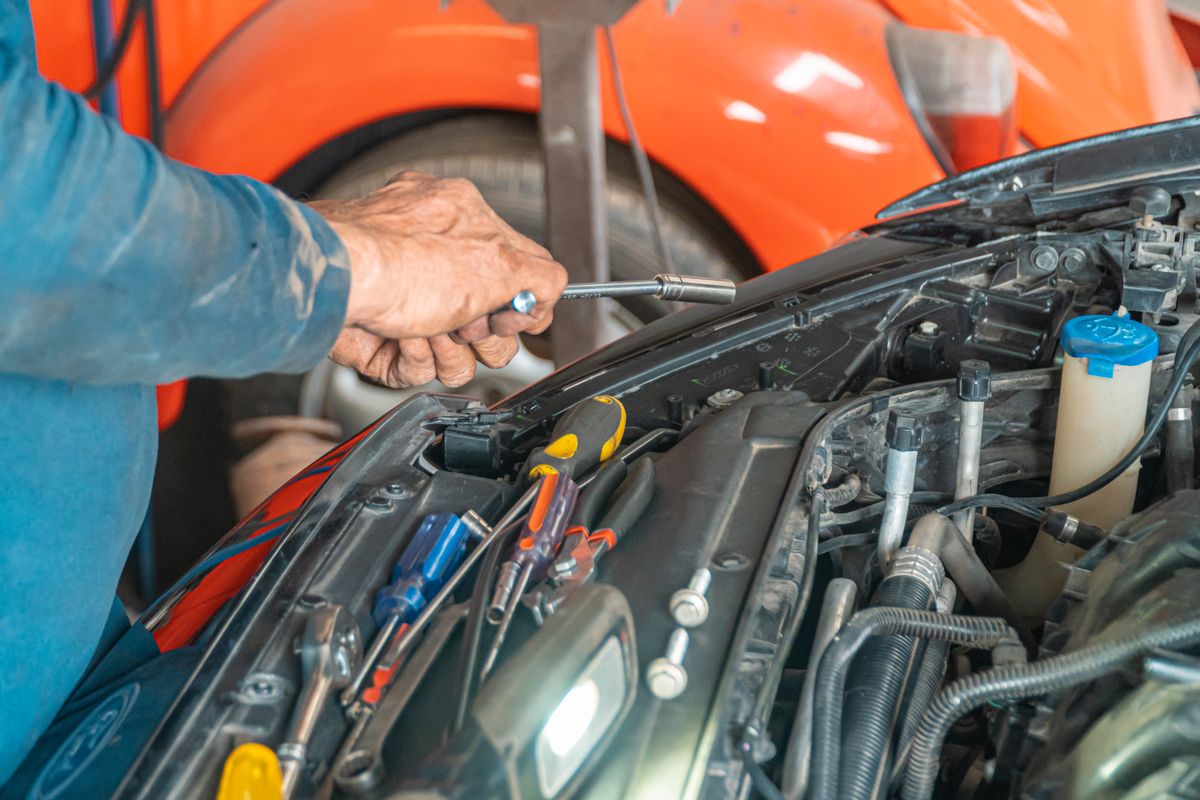
Photo via Pexels
You are looking at a used car in Fort Myers, the price is attractive, and the title says "rebuilt." You have heard of salvage titles, and you have a vague sense that rebuilt is better than salvage, but you are not sure what it actually means — or whether you should buy the car. The confusion is understandable. Rebuilt is better than salvage in one important way: the car can be legally driven. But it is not the same as a clean title, and the difference matters for value, insurance, safety, and resale.
A rebuilt title means a car was once declared a total loss, was repaired, passed an inspection, and was put back on the road with a brand that records its history. That is the whole story in one sentence. The rest of this guide is about what that sentence means in practice — for the car, for your wallet, and for your daily drive on I-75, US-41, and the roads of Lee County. It is general education, not legal advice.
From Salvage to Rebuilt: The Journey
Every rebuilt car starts as a salvage car. An insurer declared it a total loss — after a collision, a flood, a fire, or a theft recovery — and the title was branded salvage. At that point the car generally cannot be registered or driven on public roads. Someone then buys the car, repairs it, and puts it through an inspection process designed to verify that it is safe to return to the road. If it passes, the title is changed from salvage to rebuilt, and the car can be registered and driven.
The rebuilt brand is the state's way of saying two things at once: this car was repaired and inspected, and this car was once a total loss. Both halves matter. The inspection is real, and it does check important things. But the inspection is not a guarantee that the car was repaired well, and it is not a warranty. It is a snapshot — a check that the car meets the requirements on the day it was inspected. What happens after that day depends on the quality of the repair, and the quality of the repair depends on who did it and how carefully they worked. That is why a rebuilt title is a starting point for your own investigation, not the end of it.
What the Inspection Does — and Does Not — Prove
The rebuilt inspection checks that the car is roadworthy and that its identity is legitimate. It verifies the vehicle identification number, checks that the car is complete and functional, and confirms that stolen parts were not used in the repair. Those are important checks, and they do real work in keeping stolen and unsafe cars off the road. But the inspection does not disassemble the car, does not test every electrical system over time, and does not certify that the repair was done to the manufacturer's standard. A frame that was pulled straight but not quite true, wiring that was spliced instead of replaced, or flood corrosion that was cleaned but not cured — none of those will necessarily fail an inspection, and all of them can cause problems later.
Think of it this way: the inspection proves the car was put back together well enough to pass a check on one day. It does not prove the car will stay reliable for years. That distinction is the reason a pre-purchase inspection by your own mechanic matters so much with a rebuilt car. Your mechanic is not checking whether the car passed a state inspection months ago. Your mechanic is checking whether the repair was done right, whether the structure is sound, and whether anything is waiting to fail. In a coastal market like Fort Myers, where salt air and summer downpours punish any weakness in a car's electrical system, that independent look is essential.
Value: The Discount That Never Goes Away
A rebuilt-title car is worth less than the same car with a clean title, and that discount is permanent. The brand follows the car forever. Every future buyer will see it, every future buyer will discount for it, and the discount you enjoy when you buy becomes the discount you suffer when you sell. This is the single most important financial fact about a rebuilt car, and it is the reason the price has to be low enough to make the deal work.
How low is low enough? There is no formula, but the principle is simple: the price should reflect the brand, the risk, and the resale problem, all at once. A rebuilt car priced close to clean retail is a bad deal, full stop. A rebuilt car priced well below clean retail at least acknowledges what it is. And even then, you should ask yourself whether the savings are worth the uncertainty. Our guide on how to tell a good deal from a money pit is a useful companion here, because a rebuilt car that looks like a bargain can turn into a money pit if the repair was poor. For the broader salvage question, see our guide on what a salvage title is and whether you should buy one.
Insurance for a Rebuilt-Title Car
Insurance is where many rebuilt-title buyers get their first unpleasant surprise, and it is the step you should handle before you buy, not after. Some insurers will not cover a rebuilt-title car at all. Others will offer liability coverage — the personal injury protection and property damage liability that Florida requires to register and drive — but will not offer full coverage for damage to the car itself. That means if the car is stolen or wrecked, you may receive nothing for the car, even though you have been paying premiums.
Even the insurers who do offer full coverage will value a rebuilt car lower than a clean-title car, because the market value is lower. That is fair, but it means your payout in a total loss will be smaller, and it means the car is worth less to protect. Before you buy, call your insurer and ask directly: will you insure this specific car, what coverage will you offer, and how will you value it. Get the answer in writing if you can. Our guide to insuring a salvage or rebuilt title car in Florida explains the whole landscape, including the questions to ask and the answers that should make you walk away.
The Flood Question in Southwest Florida
In Lee County, a large share of rebuilt cars started as flood cars, and flood damage is the hardest kind to repair completely. A collision is visible. Flood water is not. It gets into wiring harnesses, connectors, and control modules, and corrosion keeps working long after the car looks dry. A rebuilt flood car can drive fine for months and then develop electrical problems that are difficult to diagnose and expensive to fix — flickering dashboard lights, failing sensors, a car that stalls after a heavy rain on Daniels Parkway or State Road 82.
If you are considering a rebuilt car, find out why it was declared a total loss in the first place. The history report should tell you, and the seller should be able to explain it. A car rebuilt after a theft recovery, where the damage was mostly missing parts, is a different proposition from a car rebuilt after a flood, where the damage was water in every connector. Neither is automatically a bad car, but the flood car carries a higher and more unpredictable risk. Learn the signs of flood damage in our guide on how to spot flood damage that isn't on the title, and understand the title side in what is a flood title in Florida.
The Inspection You Need Before You Buy
No rebuilt car should be bought without a pre-purchase inspection from a mechanic you choose and trust. Not the seller's mechanic. Not a quick look in a parking lot. A real inspection, on a lift, by someone who knows what a repaired total loss looks like. Ask the mechanic to check the frame and structure for signs of repair, to look for mismatched paint and panels, to check the airbag system and its wiring, to look for flood residue in places water hides, and to test every electrical system. Ask them specifically whether the repair looks professional or improvised. A good mechanic can tell, and their opinion is worth more than any listing description.
Bring the history report to the inspection, too. The report and the car should tell the same story. If the report says the car was in a front-end collision and the mechanic finds damage in the rear, something does not add up. If the report says flood and the seller says collision, something does not add up. Inconsistencies are not always deal-breakers, but they are always worth understanding before you pay. Our guide on how to read a vehicle history report will help you spot the entries that matter, and our guide on how to check for a branded title before you buy shows you how to verify the brand on the document itself.
Title, Tax, and Registration for a Rebuilt Car
The paperwork for a rebuilt car follows the same rules as any other used-car purchase in Florida, with one extra layer of attention. Florida charges 6% state sales tax plus a county surtax on the purchase, and the title transfer must be completed within 30 days through the Lee County Tax Collector. The Tax Collector's office can tell you exactly what a rebuilt title needs — bring the title, the bill of sale, and any inspection paperwork the seller has, and ask before you assume. A rebuilt title that is missing its inspection documentation can turn a simple transfer into a frustrating delay, and that is a problem you want to discover before you pay, not after.
You will also need insurance in place before you register the car — personal injury protection and property damage liability at minimum — so the insurance question and the title question are linked. Confirm your coverage first, then complete the transfer. Our guide to Florida title, registration, and insurance walks through the whole process step by step, so nothing about the paperwork catches you by surprise.
Should You Buy a Rebuilt-Title Car?
For most buyers, the honest answer is to buy a clean-title car instead. The discount on a rebuilt car rarely compensates for the permanent value loss, the insurance complications, the uncertainty about the repair, and the difficulty of selling it later. There are plenty of clean-title cars in Fort Myers, and the peace of mind is worth more than the savings for a car you need to trust every day — the school run, the commute up US-41, the drive across the Cape Coral Bridge in a summer storm.
The exceptions are narrow but real. A buyer who has a trusted mechanic, who gets a thorough inspection, who confirms insurance in advance, who understands why the car was totaled and is satisfied with the repair, and who plans to keep the car for a long time rather than resell it, can make a rebuilt purchase work. If you are that buyer, go in with your eyes open, pay a price that reflects the brand, and keep every document. If you are not that buyer, keep looking. And if you are still weighing a salvage car against a rebuilt one, our guide on whether you should ever buy a salvage-title car in Florida lays out the decision in full. You can also read our overview of used cars and lemon law protection to understand what legal protection does and does not apply to a used-car purchase of any kind.
Frequently asked questions
What is a rebuilt title? A rebuilt title means a car was declared a total loss, received a salvage brand, was then repaired, passed an inspection, and was re-titled as rebuilt so it can be registered and driven. The rebuilt brand is permanent and appears on the title and in the vehicle's history report, so every future buyer will know the car was once a total loss.
Can I register and drive a rebuilt-title car in Florida? Yes. A rebuilt-title car can be registered and driven, unlike a salvage-title car, which generally cannot be registered until it is repaired and re-titled as rebuilt. The title transfer must be completed within 30 days through the Lee County Tax Collector, and you will need insurance — personal injury protection and property damage liability — in place before you register it.
Is a rebuilt car safe to drive? It can be, but the state inspection does not guarantee it. The inspection verifies the car is roadworthy and its identity is legitimate on the day it was checked. It does not certify that the repair was done to the manufacturer's standard or that the car will stay reliable. The only way to know is an independent inspection by a mechanic you trust, before you buy.
Will insurance cover a rebuilt-title car? It depends on the insurer. Some will not cover a branded-title car at all. Others offer liability coverage but not full coverage for damage to the car. Even insurers who offer full coverage will value a rebuilt car lower than a clean-title car. Always check with your insurer before you buy, and ask what coverage they will offer and how they will value the car.
Should I buy a rebuilt car if the price is good? For most buyers, no. The discount rarely covers the permanent value loss, the insurance hassle, the uncertainty about the repair, and the resale problem. The purchase only makes sense if you have a trusted mechanic, a thorough inspection, confirmed insurance, a clear understanding of why the car was totaled, and a plan to keep the car long-term. If any of those are missing, a clean-title car is the better buy.
A rebuilt title tells you a car's history in a single word: once totaled, then repaired, then inspected. The brand is honest, and you should be honest with yourself about what it means. Read the title, read the history, get the inspection, and check the insurance before you pay. If you would rather shop for a used car without the branded-title question at all, browse the current inventory at Joes' Cars in Fort Myers, where Joe will show you the vehicle's history and title before you buy — or call him at (239) 364-0709 to book an appointment and see the cars for yourself.
Questions about a car?
Call Joe — he’ll give you a straight answer and, if there’s a car you like, have it ready for a test drive.
Book an appointmentBrowse inventory

