Joes’ Cars Fort Myers · Buying Guide
Buying a Used Car in Placida: The Complete Guide
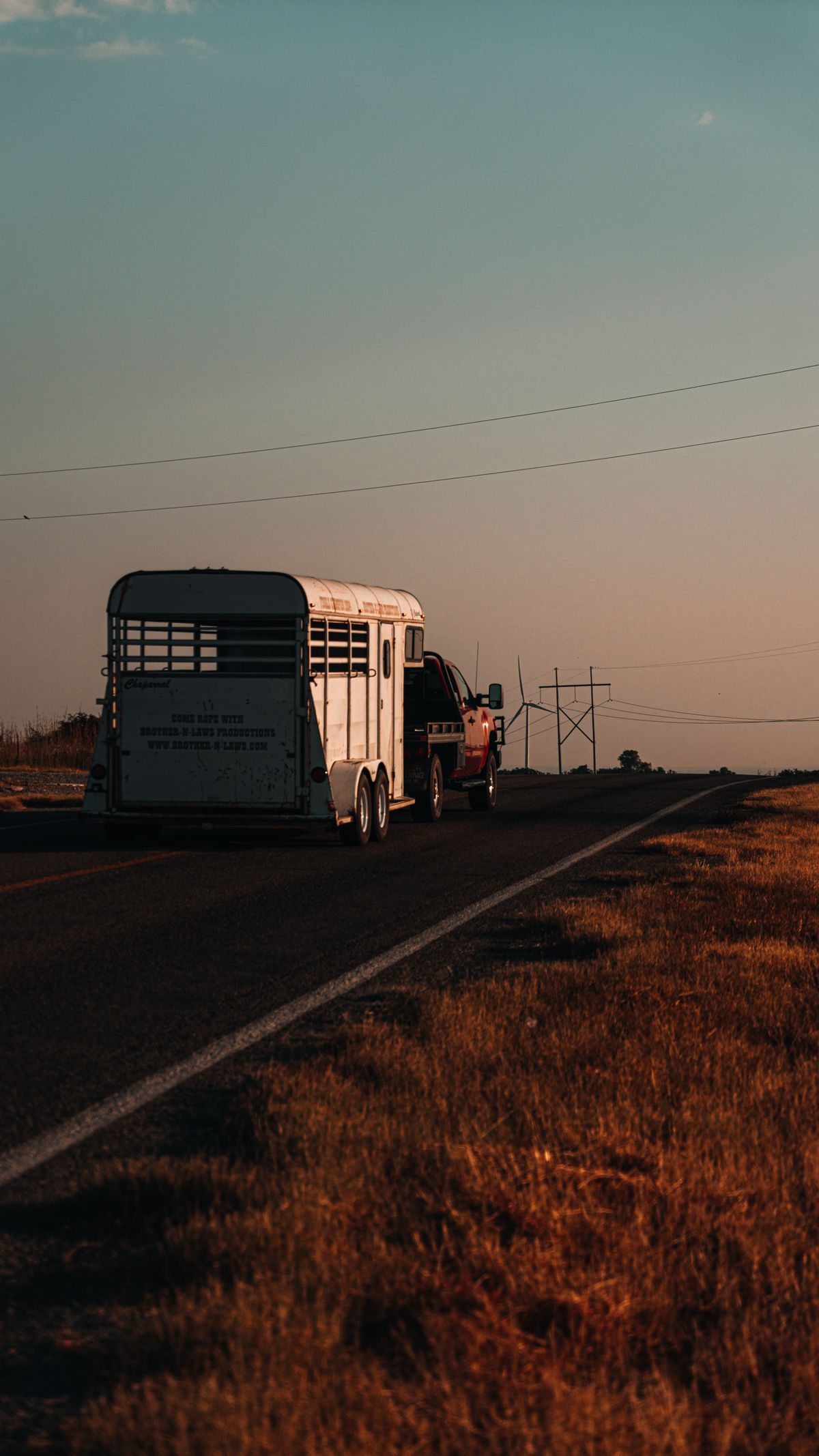
Photo via Pexels
Placida is a small fishing village at the gateway to Boca Grande and Gasparilla Island, and it asks different things of a car than a city neighborhood does. The drive to the grocery store, the run down Gasparilla Road to the harbor, the trip across the Boca Grande Causeway with a boat in tow, the long haul south to Fort Myers on US-41 — a car that lives in Placida has to handle all of it, in salt air, summer downpours, and the thick traffic of snowbird season. Buying the right used car here is less about finding the flashiest option and more about finding the one that fits this particular life.
That is what this guide is for. It walks through the whole process the way it actually works for a Placida buyer: how to get to Joe's lot from the village, what to check on a car that will spend its days near the water, how to test drive it in a way that tells you something real, and how the paperwork works when you buy in Fort Myers and register in Charlotte County. Nothing here is theory. Every step is something you can do on your next trip south.
Getting to Joe's lot from Placida
The trip from Placida to Joe's lot in Fort Myers takes about 55 minutes north on Gasparilla Road, and it is worth planning it like a small errand rather than a quick pop out. Gasparilla Road runs south from Placida through Englewood and Rotonda, then joins the wider roads toward Port Charlotte and the interstate. From there it is a straightforward run down I-75 or US-41 into Fort Myers. Give yourself the full hour each way, and more during snowbird season, when the roads through Englewood and along the coast carry far more traffic than they do in summer.
Before you make the trip, do your homework from home. Browse the inventory online and make a short list of two or three cars that fit your needs, then call Joe at (239) 364-0709 to confirm they are still available and to set an appointment. There is nothing worse than driving an hour each way only to find the car you wanted was sold the day before. An appointment also means the cars you want to see are ready when you arrive.
Bring what you need for a real decision. That means your driver's license, proof of insurance if you have a current policy, and a way to pay or proof of financing if you are pre-approved. If you are trading in your old car, drive it down — Joe can look at it while you look at his cars, and the trade can be part of the same conversation. Wear comfortable shoes and clothes you do not mind getting a little dusty, because a proper inspection means kneeling down to look underneath a car and opening the hood in the Florida sun.
What life in Placida asks of a car
A car in Placida lives a harder life than the same car would in an inland suburb, and the honest thing to do is to buy with that in mind. Salt air is the big one. The harbor, Lemon Bay, and the Gulf are all close by, and the air carries salt that settles on paint, trim, and anything underneath the car. A car that has spent its whole life near the coast will show it in the underbody first, so a truck or SUV that looks clean on top but has heavy corrosion underneath is telling you its real story. Check the frame, the brake lines, the exhaust, and the suspension hardware, and walk away from anything where the rust has gone past surface staining into flaking metal.
Then there is the water itself. Placida sits low, close to the harbor and the bay, and heavy summer rain can leave standing water on low stretches of road. Hurricane season brings storm surge risk to the whole coastline, and any car that has lived here for years has a decent chance of having driven through water deeper than its owner would like to admit. That is why the flood checks matter so much for a Placida buyer, and why we wrote a dedicated guide to flood-risk checks in Placida. Read it before you shop, and use it on every car you seriously consider.
The roads shape the choice as well. Gasparilla Road is a two-lane road for much of its length, and passing a slow truck or a boat trailer takes a car with enough power to get around safely. The Boca Grande Causeway is narrow and exposed to crosswinds, so a car that wanders in the wind or has worn steering will feel nervous there. And the run to Fort Myers for work, medical appointments, or shopping is a long one, so comfort matters — a car with a weak air conditioner or seats that hurt after forty minutes will wear you down fast in a Southwest Florida summer.
The practical answer for most Placida buyers is a truck or an SUV. A truck handles the fishing run, tows a boat without strain, and carries gear in the bed without worrying about the interior. An SUV gives you the same ground clearance and towing ability with enclosed cargo space and room for passengers. Our guides to the best family SUVs for Placida drivers and used trucks for work and play in Placida go into the details of each. A sedan can work if your life is mostly paved roads and short trips, but for a village where the boat ramp, the causeway, and the long drive south are part of everyday life, the extra capability of a truck or SUV is worth having.
The inspection: what to check before you fall for a car
Start with the outside, in daylight, on dry pavement. Walk around the car slowly and look at the paint in a raking light. Faded or chalky paint on the roof and hood is normal sun wear in Florida, but mismatched panels, overspray on trim, or wavy body lines can mean accident repair. Open and close every door, the hood, and the trunk or tailgate, and listen for anything that sticks or grinds. Check that the weatherstripping is intact — in a coastal village, a failed door seal lets salt air and rain into places you do not want it.
Get underneath the car if you can, or at least kneel and look with a flashlight. This is the single most important inspection step for a Placida car. Look at the frame rails, the floor pan, the fuel and brake lines, and the exhaust. Light surface rust on an older car is common near the coast and is not by itself a deal breaker, but flaking, scaling, or holes are. If the underside has been freshly coated in thick black undercoating, be suspicious — a fresh coat can hide corrosion that is still eating the metal underneath, and a seller who hides rust instead of showing it is not someone to trust.
Inside the car, use your nose before your eyes. A musty or mildew smell that does not go away with the air conditioning running is a warning sign for water intrusion or past flooding. Pull up the floor mats and look at the carpet underneath, especially in the footwells and the trunk. Check under the seats for silt, sand, or rust on the seat rails and bolts. Press the carpet in the corners and see if it feels damp. Run every electrical item — windows, locks, mirrors, the radio, the air conditioning, the lights — because water damage often shows up first as electrical gremlins that come and go.
Under the hood, check the oil and transmission fluid. Oil should be amber to dark brown, not milky or frothy, which can mean coolant mixing in. Transmission fluid should be pinkish-red, not dark brown or burnt smelling. Look at the battery terminals for corrosion, the belts for cracks, and the hoses for softness or swelling. Check the coolant reservoir level and color. In a Florida car, the air conditioning is not a luxury — run it on full for several minutes and make sure the air coming out is genuinely cold, not just cool, because a weak compressor is a miserable thing to discover on the drive back up US-41 in August.
Finally, look at the tires and the brakes. Tires should match across the axle, have even wear, and carry a reasonable amount of tread. Uneven wear can mean alignment or suspension problems. Ask when the tires were last replaced, and check the date code on the sidewall — tires age out in the Florida heat even when the tread looks fine. Look through the wheels at the brake rotors for deep scoring, and ask about the last brake service. A car that needs tires and brakes right away is not necessarily a bad buy, but you should know about it before you agree on anything, not after.
The test drive: make it count
A test drive is not a lap around the block. It is your one chance to learn how the car actually behaves before it is yours, so make it a real drive. The guide to the 15-minute test drive checklist is a good companion for this, but the short version is: drive the car the way you will actually drive it in Placida.
Start with the basics in the lot. Adjust the seat and mirrors, and make sure you can see clearly in every direction. Check the backup camera if the car has one, and the parking sensors. Then head out onto a road with some speed. The car should track straight with your hands light on the wheel, and it should not pull to one side when you brake. Accelerate firmly onto a highway on-ramp — the engine should pick up smoothly without hesitation, stumbling, or a slipping feeling from the transmission.
Turn the wheel lock to lock in a parking lot at low speed and listen for clicking or groaning, which can point to steering or axle problems. Brake firmly from moderate speed in a safe place — the pedal should feel firm and the car should stop straight, without vibration or a grinding noise.
The paperwork: buying in Fort Myers, registering in Charlotte County
Here is the part that trips up Placida buyers more than anything else, so read it carefully. You buy the car in Fort Myers, which sits in Lee County, but Placida sits in Charlotte County. That means your title and registration go through the Charlotte County Tax Collector, not the Lee County one. The purchase happens in one county and the registration happens in the other, and knowing that before you go saves you a wasted trip to the wrong office.
Florida gives you 30 days to transfer the title into your name after you buy a car. Bring the signed title, proof of Florida insurance with PIP and PDL coverage, and your identification to the Charlotte County Tax Collector's office. Florida charges 6 percent state sales tax plus a county surtax, so budget for the tax on top of the price of the car. If you are financing, your lender will usually have its own paperwork requirements, so check with them before you go to the tax collector's office and find out you are missing a form.
Insurance deserves a call before you buy, not after. Get a quote on the exact car you are considering, because the same model can cost very different amounts to insure depending on its trim, its safety equipment, and its repair history. A truck that tows a boat may need different coverage than a sedan that never leaves the village, and if you keep a boat trailer or expensive gear in the vehicle, ask your agent what is covered and what is not. The Florida title and registration guide at Florida title, registration, and insurance walks through the whole process in detail, and it is worth reading before your appointment.
Frequently asked questions
How long is the drive from Placida to Joe's lot in Fort Myers? About 55 minutes north on Gasparilla Road, then on to Fort Myers by way of Port Charlotte and I-75 or US-41. Allow extra time during snowbird season, when traffic through Englewood and along the coast is much heavier, and call ahead to set an appointment so the cars you want to see are ready when you arrive.
Do I register the car in Lee County or Charlotte County? Charlotte County. Placida is in Charlotte County, so your title transfer and registration go through the Charlotte County Tax Collector, even though you bought the car in Fort Myers in Lee County. You have 30 days to transfer the title, and you will need the signed title, proof of Florida insurance, and identification.
What is the most important thing to check on a used car in Placida? The underbody and the interior for signs of salt corrosion and water exposure. Look underneath for flaking rust on the frame, lines, and exhaust, and inside for musty smells, damp carpet, silt under the seats, and rust on seat bolts. A car can look clean on the outside while hiding its real story underneath, and in a fishing village on the water, that story matters.
Is a truck or an SUV better for life in Placida? For most people here, yes — one or the other. A truck handles towing a boat, hauling gear, and the causeway run without strain. An SUV gives you similar capability with enclosed cargo space and room for family. A sedan can work for short paved-road trips, but the fishing run, the boat ramp, and the long drive to Fort Myers all favor something with ground clearance and towing ability.
Should I get a vehicle history report before buying? Yes. A history report can show past accidents, flood or salvage branding, title problems, and how many owners the car has had. It is not a substitute for your own inspection — a report will not tell you the frame is rusting — but it is a cheap way to catch the problems that do not show on the surface. Ask Joe what is available for any car you are seriously considering.
Browse the inventory to see what is on the lot right now, then call Joe at (239) 364-0709 to set up a time to come down from Placida. Bring your short list, take your time on the inspection and the test drive, and ask every question you have — a good car for life in this fishing village is out there, and the drive to Fort Myers is a small price for finding it. You can also reach out through the contact page if you want to talk through your needs before you make the trip.
Questions about a car?
Call Joe — he’ll give you a straight answer and, if there’s a car you like, have it ready for a test drive.
Book an appointmentBrowse inventory

