Joes’ Cars Fort Myers · Florida Tips
Buying a Used Car Near the Water in Whiskey Creek
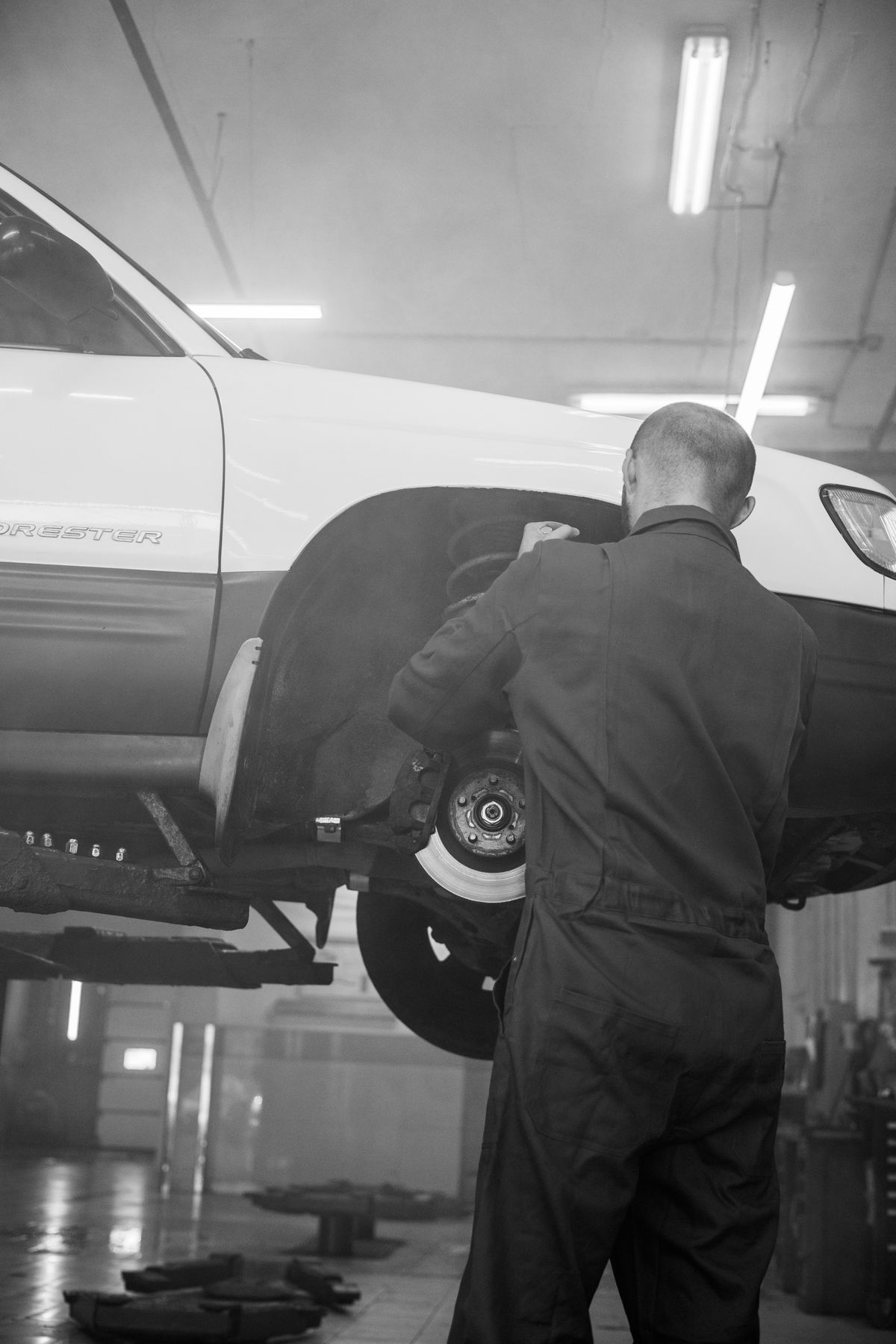
Photo via Pexels
Whiskey Creek is water country. The golf community of villas and single-family homes winds along the creek south of Fort Myers, and the Caloosahatchee River, the canals, and the Gulf are all close enough that salt air and standing water shape daily life. That is part of what makes the neighborhood beautiful, and it is also what makes buying a used car here different from buying one inland. A car that lives near the water faces salt air, rust, flood exposure, and humidity every single day, and the signs show up in places a quick look will miss.
This guide is about buying a used car that will live near the water in Whiskey Creek. We will cover how salt air attacks a car, where rust starts and how to find it, what flood exposure looks like long after the water is gone, and the inspection that protects you from buying a car that has already been damaged by the place it lived. The drive from Whiskey Creek to Joe's lot is about fifteen minutes by Whiskey Creek Drive and US-41, and the checks in this guide are worth doing on every car you consider, whether it lived on the creek or on the coast.
How salt air attacks a car
Salt air is invisible, and that is what makes it dangerous. The breeze off the Gulf carries fine salt particles inland, and they settle on every surface of a car that lives outdoors. On paint, salt speeds up corrosion wherever the finish is chipped or thin. On bare metal, it starts rust that spreads under the paint and through the frame. On wiring and connectors, it leaves a corrosive residue that causes electrical problems months or years after the exposure.
The damage is worst on cars that sit outdoors all day, every day, with no garage and no regular washing. A car parked in a villa carport under the trees gets some protection from the sun but none from the air, and the humidity keeps the salt damp and active. A car that is washed regularly, waxed, and parked in a garage will show far less damage than one that was neglected, which is why the condition of the paint and the underbody tells you so much about how the previous owner cared for the car.
Look for the early signs. Bubbling paint on the door edges, the hood lip, and the trunk lip is often the first visible sign of salt corrosion underneath. White or green crust on battery terminals and wiring connectors is another. Rust on the exhaust, the brake lines, and the suspension components is a sign that the salt has been working for a while. None of these signs alone is a reason to walk away, but together they tell a story about the car's life near the water.
Where rust starts and how to find it
Rust starts in the places where water and dirt collect and stay damp. On a car that lived near the water in Whiskey Creek, the first places to look are the rocker panels along the bottom of the doors, the wheel wells, the door jambs, and the edges of the hood and the trunk. These are the spots where salt spray, rain, and road grime sit, and where the paint is thinnest. Run your hand along the bottom edge of each door and feel for bubbling or roughness under the paint.
Get underneath the car with a flashlight. This is the check that matters most, and it is the one most buyers skip. Look at the frame rails for flaking, pitting, or holes. Check the brake lines and the fuel lines along the frame for corrosion, and look at the exhaust system for rust at the joints. Look at the suspension components, the springs, and the shock absorbers for rust that has eaten into the metal. Surface rust on a bolt is normal in Florida, but rust that flakes off in your hand or has eaten through metal is a serious problem.
Check the spare tire well and the trunk floor for rust and standing water. Lift the floor mats and check the carpet underneath for dampness or staining. Look at the seat tracks and the bolts under the seats for rust, which is one of the hardest signs to fake away after a flood or long salt exposure. If the car is on a lift during a pre-purchase inspection, ask the mechanic to look at the underside with you and to point out anything unusual. Our guide to flood and salt-air damage in Florida explains every check in this section step by step.
Flood exposure: the water you cannot see
Flood exposure is the hidden risk of buying near the water, because the damage often outlasts the water by years. Whiskey Creek's low creek-side streets can hold standing water after the heavy summer downpours that roll through Lee County, and a car parked in a driveway in one of those low spots can sit in water up to its axles or higher. Hurricane season adds storm surge and heavy rain that have pushed water into neighborhoods across Southwest Florida, and the cars caught in those events often end up on the used market months later, cleaned and detailed.
A car that sat in standing water can look clean and drive fine on a short test drive, then develop electrical problems, rust, and smells for years afterward. The checks are the same ones you would run for any flood car, and they start with your nose. Open the door and breathe in before you do anything else. A musty, damp, or mildew smell is a warning, even after a thorough cleaning, and a heavy air freshener scent can be a cover for something worse.
Lift the floor mats and feel the carpet underneath for dampness or stiffness. Check the trunk and the spare tire well for standing water or a water line. Pull the seatbelts all the way out and look for staining or a musty smell on the webbing. Look at the headliner for water stains, and check the engine bay for silt or mud in the corners, the strut towers, and the air filter housing. Check the oil on the dipstick for a milky color, which can mean water got into the engine. Our guide to flood-risk checks in Whiskey Creek covers this inspection in full detail.
The history report and the questions to ask
Before you look at the car, look at its history. A vehicle history report will show whether the car has a flood or salvage title brand, whether it was declared a total loss, and whether it was registered in an area that flooded. It will also show the car's ownership history, which can tell you whether it spent its life near the coast or moved around the country. Our guide to how to read a vehicle history report explains how to interpret each section.
A clean history report is a good start, but it is not proof that a car is flood-free. Title washing can remove a flood brand from the record, and a car repaired without an insurance claim may never appear in any database. The history report is the first check, not the only check, and the physical inspection is what actually protects you.
Ask the seller directly where the car lived and whether it ever stood in deep water. Listen to the answer. A straight, specific answer is a good sign. A vague answer or a claim that the seller does not know the car's history is a warning. Ask about the car's storage: was it garaged, parked in a carport, or left outdoors? Was it washed regularly? The answers tell you how the car was treated, and a car that was garaged and washed will show far less salt damage than one that was not.
The electronics: salt water's slow damage
Salt water damage to a car's electronics often does not show up right away, which is what makes it so costly. Water in the wiring, the connectors, and the control modules can cause intermittent failures for months or years after the exposure, as corrosion slowly spreads through the system. A car that works perfectly on the test drive can develop a dead dashboard, a failing transmission controller, or a battery drain that no mechanic can find, all because of water that got in long before you bought it.
Test every electrical system in the car, one by one. Run every window up and down, test the locks, the mirrors, the wipers, the headlights, the turn signals, and the horn. Turn on the radio, the air conditioning, and the backup camera. Check the dashboard for warning lights that stay on, flicker, or appear and disappear. Look at the fuse box for corrosion or water staining, and check the connectors under the seats and in the trunk for the green or white crust that salt water leaves behind.
Pay special attention to the air conditioning, because a system that saw salt water or flood water can harbor mold that causes a musty smell every time it runs. Turn it on full and let it run for several minutes, checking that cold air comes from every vent. If the car has a sunroof, test it and check the drains, which can clog with silt and cause water to back up into the headliner. Our test-drive checklist covers the same ground in a step-by-step format you can carry on your phone.
The test drive and the pre-purchase inspection
A test drive for a car that lived near the water should be longer than usual. Drive the car on US-41 and get it up to speed, then brake firmly and listen for grinding or vibration. Take it down a quiet street and listen for rattles, hums, and clunks that could mean suspension or drivetrain damage. Drive over speed bumps slowly and feel for anything loose underneath. Watch the dashboard throughout the drive for warning lights that come on after the car warms up, and test the transmission through every gear, including reverse.
If anything feels wrong, do not explain it away. A car that pulls to one side, a brake pedal that feels soft, a transmission that hesitates, or a dashboard light that flickers are all reasons to stop and get a professional opinion. A pre-purchase inspection from an independent mechanic is the best money you can spend on any used car, and it is essential on a car that lived near the water. A mechanic on a lift can see the frame, the underbody, and the wiring in ways you cannot from the ground, and can tell you whether the rust is cosmetic or structural.
Living with a car near the water
Once the car is yours, a few habits will protect it from the same forces that damaged the cars you rejected. Wash it regularly, and wash the underbody as well, since salt and grime collect underneath where you cannot see them. Wax the paint to protect it from salt and sun, and keep the car in a garage when you can. If the car sits in a villa carport under the trees, remember that shade helps with heat but brings sap and leaves, so check the seals and the drains after a storm.
Keep up with the maintenance that salt air punishes when it is skipped. Have the brakes checked before the rainy season, since salt accelerates corrosion on the brake components. Replace the cabin air filter so the air conditioning stays clean, and keep the air conditioning running even on short trips, since a system that sits unused can develop leaks and smells. After the big summer downpours, avoid driving through standing water on the low creek-side streets, since even shallow water can splash into the engine bay and the brakes.
Check the car after every major storm, especially during hurricane season. Look for water in the trunk and the spare tire well, check the interior for dampness, and look underneath for new rust or damage. A car that gets this kind of care will hold its value better and cost less to own, which matters when the day comes to trade it in. For the full buying process, our complete buying guide for Whiskey Creek walks through the inspection and the paperwork at the Lee County Tax Collector.
Frequently asked questions
How does salt air damage a car in Whiskey Creek? Salt particles in the coastal breeze settle on paint, bare metal, and wiring, speeding up corrosion wherever the finish is chipped or thin. The damage is worst on cars that sit outdoors all day without regular washing. Look for bubbling paint on the door edges, crust on the battery terminals, and rust on the underbody.
Where does rust start first on a car near the water? In the rocker panels, the wheel wells, the door jambs, and the edges of the hood and trunk, where water and dirt collect. Underneath, check the frame rails, the brake lines, the exhaust, and the suspension. Rust that flakes off in your hand or has eaten through metal is a reason to walk away.
Can a flood-damaged car be cleaned up to look normal? Yes, and that is the problem. A thorough detail can make a flood car look and smell clean for a while, but the traces remain underneath: rust on the seat tracks, silt in the engine bay, corrosion in the wiring, and a water line on the underbody. A careful inspection with a flashlight finds what a detail cannot remove.
Does a clean history report guarantee a car was never flooded? No. Title washing can remove a flood brand, and a car repaired without an insurance claim may never appear in any database. Always inspect the car yourself and get a pre-purchase inspection from a mechanic you trust.
Should I get a pre-purchase inspection on a car that lived near the water? Absolutely. A mechanic on a lift can see the frame, the underbody, and the wiring in ways you cannot from the ground, and can tell you whether the rust is cosmetic or structural. It is the best money you can spend before signing.
Buying a used car near the water in Whiskey Creek comes down to knowing what the water does and looking where it does it. Salt air, rust, and flood exposure all leave traces, and a careful buyer with a flashlight and thirty minutes can find them. When you are ready, browse the inventory to see what is on the lot today, or call Joe at (239) 364-0709 to talk through any car you are considering and set a time to inspect it together. You can also book an appointment through the contact page, and buyers in nearby Cypress Lake and San Carlos Park face the same water, the same salt air, and the same checks.
Questions about a car?
Call Joe — he’ll give you a straight answer and, if there’s a car you like, have it ready for a test drive.
Book an appointmentBrowse inventory

