Joes’ Cars Fort Myers · Florida Tips
Flood-Risk Checks When Buying a Used Car in Whiskey Creek
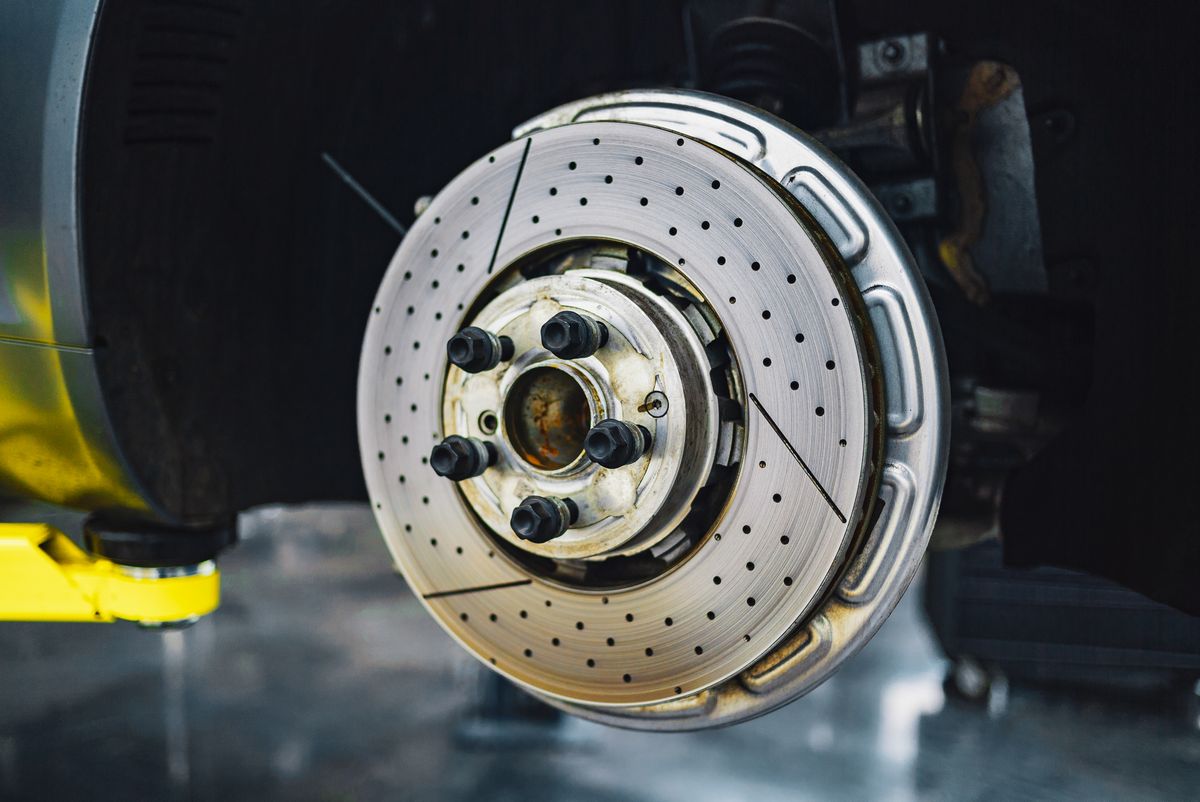
Photo via Pexels
Whiskey Creek is a beautiful place to live and a demanding place to buy a used car. The neighborhood is a golf community of villas and single-family homes that winds along the creek south of Fort Myers, and its low, watery setting is exactly what makes flood checks essential. The creek-side streets can hold standing water after the heavy summer downpours that roll through Lee County, and the storm history of this coast means that many cars on the used market have seen water at some point in their lives. Some were cleaned up well. Some were not. The difference is in the details, and this guide teaches you to find them.
Flood damage is the most expensive problem a used car can hide, because it touches everything: the engine, the transmission, the electronics, the interior, and the frame. A car that sat in standing water can look clean and drive fine on a short test drive, then develop electrical problems, rust, and smells for years afterward. The checks in this guide take about thirty minutes and a flashlight, and they can save you from buying a car that will cost you far more than it is worth.
The good news is that flood damage leaves traces, and most of them are hard to erase completely. You do not need a mechanic's training to find them. You need to know where to look, what to smell, and which questions to ask. Start with the history, then work through the car from the ground up.
Why Whiskey Creek cars face flood risk
Whiskey Creek sits low, close to the water, in a part of Lee County that floods when the summer storms stall over the coast. The afternoon thunderstorms that build over the Gulf can drop inches of rain in an hour, and the winding creek-side streets drain slowly. After a big storm, the low spots near the creek can hold standing water for hours, and a car parked in a driveway or a carport in one of those spots can sit in water up to its axles or higher.
Hurricane season adds a second layer of risk. Storm surge and heavy rain have pushed water into neighborhoods across Southwest Florida, and the cars that were caught in those events often end up on the used market months later, cleaned and detailed, with their history carefully worded. A car does not have to come from Whiskey Creek to have flood damage, and it does not have to have been in a hurricane. A single deep puddle on a flooded street, driven through at speed, can push water into the engine bay, the brakes, and the interior.
The salt air that drifts inland from the coast makes flood damage worse. Salt water corrodes metal faster than fresh water, and it leaves a residue in wiring and connectors that causes electrical problems long after the car has dried out. A car that saw salt water needs a much closer look than one that saw fresh rain, and the signs are often visible in the places a detailer cannot reach.
Start with the history report
Before you look at the car, look at its history. A vehicle history report will show whether the car has a flood or salvage title brand, whether it was declared a total loss, and whether it was registered in an area that flooded. It will also show the car's ownership history, which can tell you whether it spent its life in a flood-prone area or moved around the country. Our guide to how to read a vehicle history report explains how to interpret each section.
A clean history report is a good start, but it is not proof that a car is flood-free. Title washing is a real practice, in which a car with a flood brand is moved through states with weaker rules until the brand disappears from the record. A car can also be flood-damaged without ever being reported to an insurer, if the owner paid for the repairs out of pocket or sold the car quickly. The history report is the first check, not the only check, and the physical inspection that follows is what actually protects you.
Ask the seller directly whether the car has ever been in a flood or stood in deep water. Listen to the answer. A straight, specific answer is a good sign. A vague answer, a change of subject, or a claim that the seller does not know the car's history is a warning. If you are buying from Joe, ask the same question and expect a straight answer, because a seller who will not answer it is a seller to walk away from.
The smell test and the interior
Your nose is the best flood detector you own. Open the car door and breathe in before you do anything else. A flood-damaged car often smells musty, damp, or like mildew, even after a thorough cleaning. Detailers can mask the smell with air fresheners and ozone treatments, but the underlying odor usually returns on a hot day when the car has been sitting closed in the Florida sun. If the car smells strongly of air freshener, be suspicious: a heavy scent can be a cover for something worse.
Lift the floor mats and feel the carpet underneath. It should be dry and firm. Dampness, staining, or a carpet that feels stiff or crusty can mean water got in and was never fully dried. Check the carpet in the trunk and under the cargo floor as well, and look at the spare tire well for standing water, rust, or a water line. Pull back the edges of the carpet where you can, and look at the padding underneath, which holds water long after the surface feels dry.
Look at the seats and the seat tracks. Rust on the seat rails, the bolts under the seats, or the metal brackets is one of the hardest flood signs to fake away, because detailers rarely remove the seats to clean underneath them. Check the seatbelts: pull each one all the way out and look for a water line, staining, or a musty smell on the webbing. Check the headliner for water stains, especially around the edges and the sunroof, and look at the door panels for warping or staining at the bottom.
Under the hood and underneath the car
The engine bay tells its own story. Look for silt, mud, or a fine layer of dirt in places that should be clean: the corners of the engine bay, the tops of the strut towers, the air filter housing, and the crevices around the battery. Flood water leaves sediment in exactly these spots, and it is hard to clean out completely. Check the air filter for water damage or staining, and look at the oil on the dipstick: oil that looks milky or like chocolate milk can mean water got into the engine.
Get underneath the car with a flashlight. This is the check that matters most, and it is the one most buyers skip. Look at the frame rails, the exhaust, the brake lines, and the suspension components for rust. Surface rust on a bolt is normal in Florida, but rust that flakes off in your hand, or that has eaten through metal, is a serious problem. Look for a water line on the underbody, a distinct mark where the water reached and the dirt settled. Check the wiring and the connectors underneath for corrosion, especially the green or white crust that salt water leaves behind.
Look at the brakes as well. Flood water can damage the brake components and leave rust on the rotors and the calipers that a short drive will not remove. Check the wheels for water lines on the inside, and look at the suspension for rust on the springs and the shock absorbers. If the car is on a lift during a pre-purchase inspection, ask the mechanic to look at the underside with you and to point out anything unusual.
The electronics: the slow failure
Flood damage to a car's electronics often does not show up right away, which is what makes it so costly. Water in the wiring, the connectors, and the control modules can cause intermittent failures for months or years after the flood, as corrosion slowly spreads through the system. A car that works perfectly on the test drive can develop a dead dashboard, a failing transmission controller, or a battery drain that no mechanic can find, all because of water that got in long before you bought it.
Test every electrical system in the car, one by one. Run every window up and down, test the locks, the mirrors, the wipers, the headlights, the turn signals, and the horn. Turn on the radio, the air conditioning, the heated seats if the car has them, and the backup camera. Check the dashboard for warning lights that stay on, flicker, or appear and disappear. Look at the fuse box for corrosion or water staining, and check the connectors under the seats and in the trunk for the green or white crust that salt water leaves.
Pay special attention to the air conditioning, because a flood-damaged system can harbor mold that causes a musty smell every time it runs. Turn it on full and let it run for several minutes, checking that cold air comes from every vent. If the car has a sunroof, test it and check the drains, which can clog with silt after a flood and cause water to back up into the headliner. Our test-drive checklist covers the same ground in a step-by-step format you can carry on your phone.
The test drive after a flood check
A test drive after a flood inspection should be longer than usual, and it should include the conditions that expose problems. Drive the car on US-41 and get it up to speed, then brake firmly and listen for grinding or vibration. Take it down a quiet street and listen for rattles, hums, and clunks that could mean suspension or drivetrain damage. Drive over speed bumps slowly and feel for anything loose underneath.
Watch the dashboard throughout the drive. Warning lights that come on after the car warms up, gauges that read oddly, or electronics that cut in and out are all signs of water damage to the wiring or the control modules. Test the transmission through every gear, including reverse, and feel for jerking, slipping, or hesitation. Turn the air conditioning on and off, run the windows, and use the turn signals while you drive, since electrical problems often appear only when several systems are running at once.
When to walk away
Some flood signs are a reason to negotiate. Some are a reason to walk away. Walk away from any car with a flood or salvage title brand that was not disclosed to you up front. Walk away from a car with rust that has eaten through the frame, the floor pan, or the brake lines. Walk away from a car with water in the spare tire well, rust on the seat tracks, and a musty smell all at once, because that combination means the water was deep and the car was not properly dried. Walk away from a seller who will not let you get a pre-purchase inspection, or who pressures you to decide before you have finished looking.
A car with minor surface rust on the underbody, a clean history, and a straight answer from the seller about its past can still be a good buy, especially if a mechanic confirms the rust is cosmetic. But a flood car is a gamble, and the odds are against you. The electronics alone can generate repair bills that exceed the value of the car, and the rust will keep spreading long after you buy it. There are plenty of clean used cars in Lee County, and the right one is worth waiting for.
If you want to understand the full buying process, our complete buying guide for Whiskey Creek walks through the inspection and the paperwork at the Lee County Tax Collector, and our guide to flood and salt-air damage in Florida covers the same checks in a broader Florida context.
Frequently asked questions
Can a flood-damaged car be cleaned up to look normal? Yes, and that is the problem. A thorough detail can make a flood car look and smell clean for a while, but the traces remain underneath: rust on the seat tracks, silt in the engine bay, corrosion in the wiring, and a water line on the underbody. A careful inspection with a flashlight finds what a detail cannot remove.
Does a clean history report guarantee a car was never flooded? No. Title washing can remove a flood brand from the record, and a car that was repaired without an insurance claim may never appear in any database. The history report is the first check, not the only one. Always inspect the car yourself and get a pre-purchase inspection.
What is the single best flood check I can do myself? Lift the floor mats and check the carpet underneath, then look at the seat tracks and the bolts under the seats for rust. Water leaves its mark in those spots, and detailers rarely clean them. A musty smell and rust under the seats together are a strong warning.
Is salt water flooding worse than fresh water flooding? Yes. Salt water corrodes metal and wiring much faster than fresh water, and it leaves a corrosive residue in connectors that causes electrical problems for years. A car that saw salt water needs a much closer inspection, especially of the underbody and the wiring.
Should I get a pre-purchase inspection on a car I suspect was flooded? Absolutely. A mechanic on a lift can see the frame, the underbody, and the wiring in ways you cannot from the ground, and can tell you whether the damage is cosmetic or structural. If the seller will not allow an inspection, walk away.
Flood checks are not about being suspicious. They are about being thorough, and in a low, creek-side neighborhood like Whiskey Creek, thorough is what protects you. Take the flashlight, lift the mats, look underneath, and trust what you find. When you are ready to shop with confidence, browse the inventory to see what is on the lot today, or call Joe at (239) 364-0709 to talk through any car you are considering and set a time to inspect it together. You can also book an appointment through the contact page, and buyers in nearby Cypress Lake and Villas face the same checks on the same low ground.
Questions about a car?
Call Joe — he’ll give you a straight answer and, if there’s a car you like, have it ready for a test drive.
Book an appointmentBrowse inventory

