Joes’ Cars Fort Myers · Buying Guide
Used Trucks for Work and Play in San Carlos Park
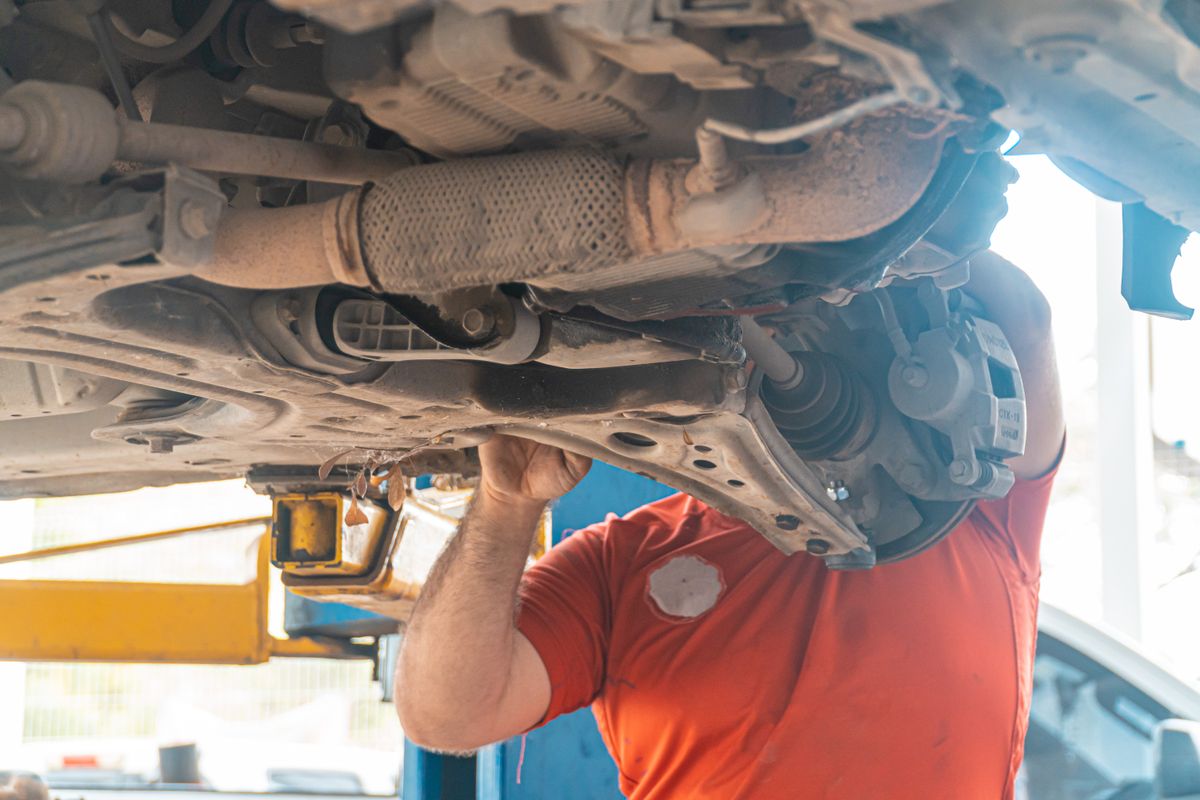
Photo via Pexels
San Carlos Park is a large, family-friendly residential community south of Fort Myers along US-41, near Three Oaks Parkway, and the pickup truck fits this town's life in a way few other vehicles do. It hauls lumber and tools on a workday, tows the boat to the ramp on a Saturday, carries the beach gear on a Sunday, and still has to commute up US-41 into Fort Myers on Monday morning. A truck that does all of that without complaint is one of the most useful vehicles a household can own — and a truck that was not checked carefully before you bought it will cost you in repairs, in downtime, and in the quiet frustration of a tool that does not do its job.
This guide is about judging a used truck for this town's actual life. It is not a list of models. It is the set of checks and questions that separate a good working truck from a tired one, written for a buyer standing on Joe's lot on Colonial Boulevard deciding which truck goes home to San Carlos Park.
What San Carlos Park Asks of a Truck
A truck in San Carlos Park works harder than most cars, and it works in more kinds of conditions. The workday might mean hauling tools and materials to a job site, or towing a trailer of equipment. The weekend might mean a boat to the ramp, a load of mulch from the garden center, or a run to the beach with coolers and chairs in the bed. And through all of it, the truck still has to be a daily driver — comfortable enough for the US-41 commute, easy enough to park at the store, and reliable enough that it starts every morning without a second thought.
The first question is what you actually need the truck to do. A full-size truck tows more and hauls more, but it is longer, harder to park, and thirstier in stop-and-go traffic. A midsize truck is easier to live with every day, fits in a normal parking space, and still handles most towing and hauling jobs a household will ever ask of it. Be honest about your real week: how often do you actually tow, how heavy is the load, and how much of the time is the bed empty? The truck that matches your real life is better than the truck that matches your imagination.
The second question is how the truck has been used before you. A truck that spent its life as a work vehicle may have been maintained well, or it may have been run hard and put away wet. A truck that was a weekend toy may have low miles but a hard history of off-road use. The history report and the physical inspection will tell you more than the odometer ever will. Our complete guide to buying a used car in San Carlos Park walks through the whole process, from the drive up US-41 to the paperwork at the Lee County Tax Collector.
Towing: What to Know Before You Hook Up
Towing is the reason most people buy a truck, and it is the area where a careless purchase causes the most trouble. Every truck has a towing rating, and that rating depends on the engine, the axle, the transmission, and the cooling system — not just the size of the truck. A truck that can tow a small utility trailer may not be rated for a full-size boat, and a truck that can pull a boat on flat ground may struggle with it on a ramp. Before you buy, know what you will tow, how heavy it is with fuel and gear aboard, and whether the truck you are looking at is rated for it.
Check the hitch itself. Look at the receiver for rust, cracks, or a bent frame. Check the wiring for the trailer lights — corroded connectors are common in a place with salt air and summer rain, and a trailer with no working lights is a hazard on US-41 at dusk. Ask whether the truck has a trailer brake controller, and if it does, test it. If the truck has a tow package, ask what it includes: a transmission cooler, a larger radiator, a heavier-duty alternator. These are the parts that keep a towing truck alive in Lee County heat, and a truck that towed without them will have paid the price in its transmission and cooling system.
The boat ramp is the other half of towing life here. A truck that launches a boat needs a four-wheel-drive system that works, because a wet ramp is slippery and a two-wheel-drive truck can spin its wheels while the trailer is still in the water. Test the four-wheel-drive system on your test drive — engage it, drive slowly, and listen for grinding or clunking. If the truck has a locking rear differential, test that too. These are systems that sit unused for months and then fail when you need them most.
The Checks That Matter on a Used Truck
Start with the frame. A truck's frame is its backbone, and in a place with salt air and standing water, the frame is where the damage shows first. Get underneath the truck, or ask Joe to put it on a lift, and look at the frame rails for rust, flaking, or repairs. Surface rust on a frame is normal in Florida. Deep, flaking rust that you can poke through with a screwdriver is not. Check the bed, too: look at the bed floor for dents, rust, and signs of heavy loads, and check whether the bed liner is hiding damage underneath.
Then look at the underbody. Check the brake lines, the fuel lines, and the exhaust for corrosion. Salt air works on these parts a little at a time, and a brake line that fails on US-41 is a serious problem. Check the suspension parts — the shocks, the springs, the control arms — for leaks, cracks, and worn bushings. A truck that was used hard will show it in the suspension first. Our guide to flood and salt air damage in Florida explains exactly where to look and what the warning signs are.
The transmission deserves its own check. A truck that towed heavy loads in the heat will have a transmission that has worked hard, and a tired transmission is one of the most expensive repairs a truck can need. On your test drive, the transmission should shift smoothly and without delay, both when you accelerate gently and when you ask for power. A flare between gears, a hard clunk, or a delay when you shift into drive or reverse are all signs to take seriously. Check the transmission fluid if you can — it should be red and clean, not brown and burnt-smelling.
Cab Size and Bed Size: Picking the Right Combination
Trucks come in three cab sizes, and the choice matters more than most buyers expect. A regular cab seats three and leaves the longest bed. A crew cab seats five or six comfortably and leaves the shortest bed. An extended cab splits the difference. For a San Carlos Park family, the crew cab is usually the right answer: the back seat fits children or coworkers, the doors make loading easy, and the bed still holds what a household needs. But if the truck is a work vehicle first and a family vehicle second, the longer bed of a regular or extended cab may matter more.
The bed itself deserves a careful look. Check the bed floor for dents and rust, and lift the bed liner if there is one — liners hide damage, and a liner that was installed over a rusty bed is a problem waiting to surface. Check the tailgate: it should open and close smoothly, latch firmly, and sit level. A tailgate that sags or will not latch has been overloaded or damaged. Check the tie-down points and the bed lighting if the truck has it. These are small things, but they are the things you will use every time you haul a load.
Four-wheel drive is the other choice to make deliberately. In Lee County, four-wheel drive is useful at the boat ramp, on a wet job site, and on a flooded street — but it adds weight, complexity, and maintenance. If you need it, test it thoroughly. If you do not need it, a two-wheel-drive truck will be simpler and cheaper to run. Do not pay for four-wheel drive you will never use, and do not buy a four-wheel-drive truck without testing the system.
Daily Driving a Truck in Lee County
A truck is a bigger vehicle than a car, and daily driving it in Lee County means living with that size. Parking is the first adjustment. A full-size truck does not fit comfortably in every space at the grocery store, and the school parking lot at pickup time is a test of patience in any vehicle. Practice parking it on your test drive, and be honest about whether the size will wear on you after a month of daily use.
Fuel is the second adjustment. A truck uses more fuel than a car, especially in the stop-and-go traffic on US-41. A smaller engine will be easier on fuel, and a larger engine will tow more — you cannot have both at once. If your week is mostly commuting with an occasional tow, the smaller engine is the better choice. If you tow heavy loads regularly, the larger engine earns its keep. Either way, check the tires: heat and sun wear rubber faster in Lee County, and a truck's tires are larger and cost more to replace than a car's.
Heat is the third adjustment. A San Carlos Park summer means the air conditioning runs hard from April through October, and a weak AC system will announce itself on the first hot afternoon. On your test drive, run the AC on full blast for several minutes and check that the air from every vent is cold and strong. Check the cooling system too: the temperature gauge should sit steady in the middle, even in traffic, and the engine should not run hot when you ask it to work.
The Test Drive for a Truck
A truck's test drive should include everything a car's test drive includes, plus the things only a truck needs. Our 15-minute test drive checklist is built for the basics: city streets, a stretch of highway, a parking lot for slow turns, and a few minutes with the radio off so you can hear the vehicle itself. From Colonial Boulevard you can get onto I-75 quickly for a highway run, then come back through Fort Myers on surface streets.
On the highway, listen for humming from the tires, pulling to one side, and any shudder when you brake. A truck's heavier weight makes brake problems more obvious and more dangerous, so pay attention to the pedal: it should feel firm and the truck should stop straight. In the parking lot, turn the wheel all the way in both directions and listen for clicks or groans. Back into a space and check the mirrors, the camera if the truck has one, and how easy it is to see behind you — a truck's blind spots are larger than a car's, and you need to know where they are.
If the truck has four-wheel drive, engage it and drive slowly in a parking lot. Listen for grinding, clunking, or binding. If it has a trailer brake controller, ask Joe to show you how it works. And before you hand the keys back, open the hood and look at the engine with fresh eyes: check the oil, look for leaks, and listen to the engine idle. A truck that idles smoothly and quietly is a truck that has been cared for.
Frequently asked questions
How do I know if a used truck can tow my boat? Know the weight of your boat and trailer with fuel and gear aboard, then check the truck's towing rating for its specific engine, axle, and cooling setup. The rating is not just about the size of the truck — it depends on the whole drivetrain. Ask Joe for the truck's specifications and compare them to what you tow.
What should I check first on a used truck in San Carlos Park? Start with the frame and the underbody. Salt air and standing water do their damage where you cannot see it from the curb, so look at the frame rails, the brake lines, and the suspension. Then check the transmission shifts and test the four-wheel-drive system if the truck has one.
Is four-wheel drive necessary in Lee County? It is useful at the boat ramp, on a wet job site, and on a flooded street, but it is not necessary for most daily driving. If you need it, test it thoroughly. If you do not need it, a two-wheel-drive truck will be simpler and cheaper to run.
How do I check for flood damage on a truck? Look for dampness under the floor mats, rust on the seat tracks and the bolts under the seats, silt or staining in the spare-tire well, and a musty smell that does not go away. Check the electrical systems carefully — flood damage shows up in the wiring long after the carpets have dried.
Can I trade in my current vehicle when I buy a truck from Joe? Yes. Bring the title and registration for your current vehicle, and the trade-in can be handled as part of the same visit. Call Joe at (239) 364-0709 beforehand so he knows what you are bringing.
Browse the inventory and pick two or three trucks to see, then call Joe at (239) 364-0709 to set a time — or book an appointment and come up US-41 for a look. The right truck for your work, your boat, and your commute is worth the 20-minute drive.
Questions about a car?
Call Joe — he’ll give you a straight answer and, if there’s a car you like, have it ready for a test drive.
Book an appointmentBrowse inventory

