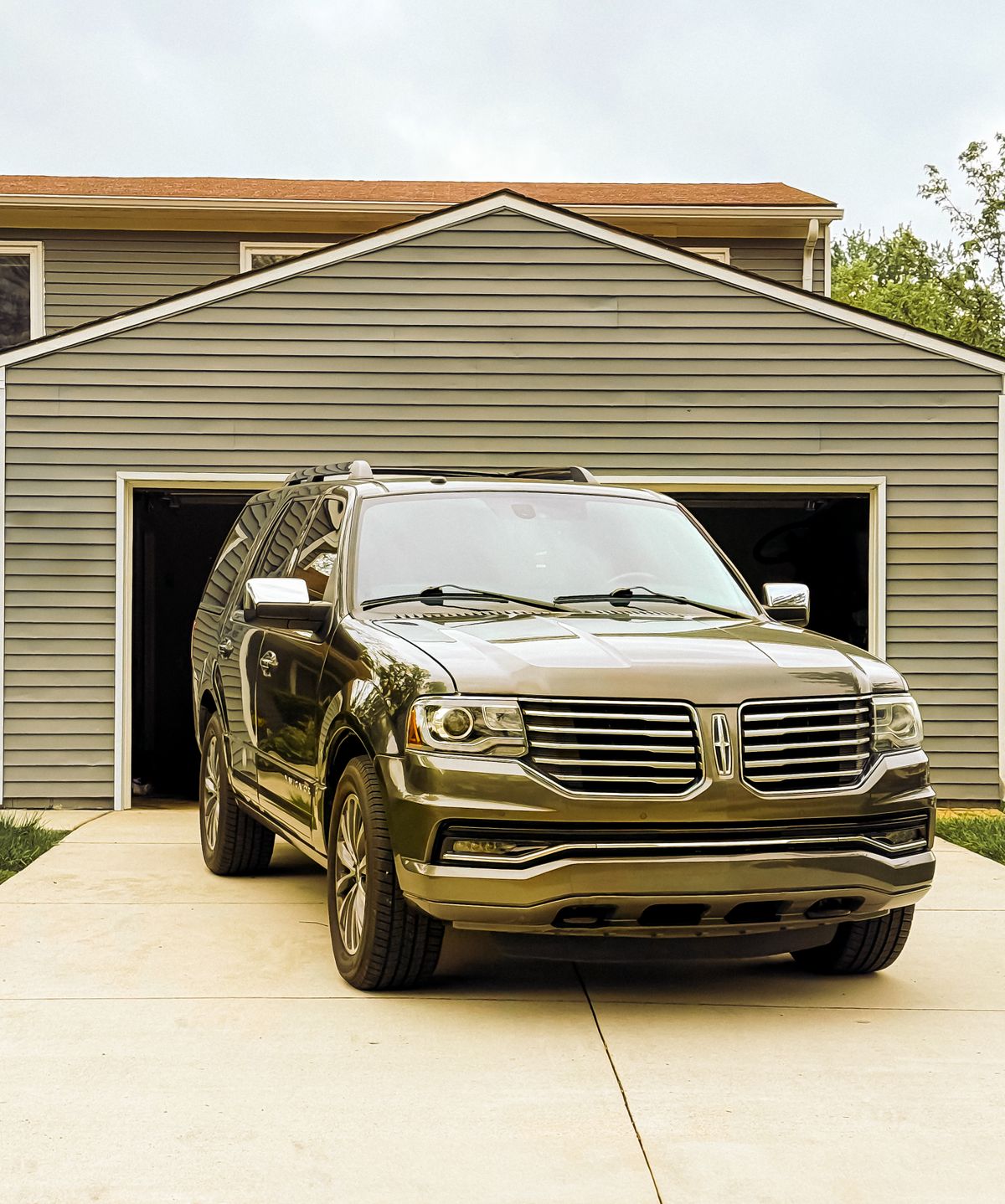
Photo via Pexels
Trading in a car feels different in retirement than it did at thirty-five. Back then the trade was usually about getting something newer, faster, or bigger. Now it is about getting something that fits the life you actually live: easier to get in and out of, cheaper to keep running, comfortable on the drive to the River District, and simple to own. The car you are trading in has probably served you well for years, and the decision deserves the same care you would give any other part of your finances.
The good news is that retirees are in a strong position when they trade in. You are not in a hurry, you usually own the car outright, and you know exactly what you want the next one to do. The bad news is that the trade-in is the part of the deal where money quietly disappears. A seller can offer you a generous-sounding number for your old car and take it back somewhere else in the deal, or a low number can make an otherwise fair purchase feel wrong. This guide walks through how trade-in value works, when to trade, how Florida's trade-in tax credit helps you, and how to keep the paperwork clean with the Lee County Tax Collector.
Know what your car is worth before anyone else tells you
The single most important step happens before you ever talk numbers with a seller. You need your own honest sense of what your car is worth. That means looking at it the way a buyer would: the year, the mileage, the condition of the paint and interior, whether the tires have life left, and whether everything works the way it should. A car that has spent its life in a Fort Myers garage, away from the salt air along the Caloosahatchee River, is worth more than the same car that sat outside through every summer downpour. A car with a clean, documented service history is worth more than one with a glove box full of unanswered questions.
Be honest with yourself about condition. Small scratches, a worn driver's seat, and a dashboard that has faded in the Florida sun all count. So does a strong air conditioning system, which matters more here than almost anywhere else in the country. If your air conditioning blows ice cold on a humid August afternoon on Colonial Boulevard, that is a real selling point. If it struggles, a buyer will notice it within the first minute of a test drive, and you should expect it to show up in the number.
Get your car appraised as a standalone number, separate from any car you might buy. When the trade-in value and the purchase price are tangled together, you cannot tell whether either one is fair. Ask for the trade-in figure on its own, in writing, and compare it against what you would get selling the car yourself. Selling privately usually brings more money, but it also means fielding calls, meeting strangers, and handling the title transfer yourself. For many retirees, the convenience and safety of a trade-in are worth something real, and that is a perfectly reasonable choice. Just make sure you know what the convenience is costing you before you decide.
Timing matters more than most retirees expect
When you trade in matters almost as much as what you trade in. In Fort Myers, the used-car market has a rhythm driven by snowbird season. From late fall through early spring, the roads fill up, the gated communities fill up, and demand for comfortable, reliable cars rises. That is generally a good time to trade in, because buyers are actively looking. It is also a good time to buy, because the selection is at its widest. If you can plan your trade around your own schedule rather than a breakdown or a failed inspection, you will almost always do better.
The other timing question is about your car's own condition. Trading in a car while it still runs well and looks presentable is very different from trading one in after it has started needing real work. A car that starts every morning, passes its routine checks, and needs nothing urgent is a car a seller can put straight in front of the next buyer. A car that needs tires, brakes, and an air conditioning repair all at once is a car that will be valued as a project, and the number will show it. If you know a repair is coming, get an honest sense of whether fixing it first pays for itself or whether trading the car as-is is the better move. Sometimes a modest repair returns more than it costs. Sometimes it does not, and the smart move is to trade the car before the repair bill arrives.
Florida's trade-in tax credit works in your favor
Here is the part of the trade-in that many retirees do not know about, and it is worth real money. In Florida, when you trade in a car as part of buying another one, you only pay sales tax on the difference between the price of the car you are buying and the value of the car you are trading in. The trade-in value comes straight off the taxable amount. That is the law in Florida, and it applies whether you are buying from a dealer or from an independent seller like Joes' Cars.
Think about what that means in practice. If the car you are buying costs a certain amount and your trade-in is worth a meaningful chunk of that, the tax is calculated on what is left, not on the full price. Florida's state sales tax is 6 percent plus the county surtax, so the saving on a solid trade-in value is not small. It is one of the strongest financial arguments for trading in rather than selling privately, because a private sale does not give you that credit. A private buyer might offer you more for the car itself, but once you add the tax saving back in, the trade-in often comes out ahead or very close, and you skip all the hassle of selling it yourself.
Make sure the paperwork reflects the credit correctly. The bill of sale should show the price of the car you are buying, the trade-in value as a separate line, and the tax calculated on the difference. If those numbers are not shown separately, ask for them to be. You are entitled to see the math, and a clean, itemized bill of sale protects you later if there is ever a question about the title or the registration. Keep a copy of everything, including the signed title for the car you traded in, for your own records.
The paperwork: titles, liens, and the Lee County Tax Collector
A trade-in is a paperwork transaction as much as a car transaction, and the title is the heart of it. You need a clean Florida title in your name, with no lien showing unless you have the lien release to go with it. If you paid the car off years ago but the lien was never formally released on the title, that will slow things down. Check the front of your title before you start shopping, and if there is a lienholder listed, track down the release now rather than discovering the problem on the day you want to drive away in your new car.
If your name on the title does not match your current legal name, perhaps because of a marriage or a name change after retirement, sort that out first too. The Lee County Tax Collector's office handles title transfers and registration, and they will need the names to match. Bring your driver's license, the title, and any supporting documents for the name change. The transfer itself is straightforward once the paperwork is in order, and Florida gives you 30 days to complete a title transfer after a purchase, but a trade-in done at the point of sale is usually handled as part of the deal, so you should leave with the new title application already started.
One more paperwork point that matters for retirees: if the car is titled in both spouses' names, both of you generally need to sign the title over. If a spouse has passed away, the title may need to go through a simple transfer process first, and that is worth handling before you shop rather than in the middle of a negotiation. And if the car is held in a trust, bring the trust paperwork. These are all solvable, but they are much easier to solve on a quiet weekday morning than under time pressure.
Choosing the replacement car with retirement in mind
A trade-in is really two decisions: what to let go of, and what to bring home. The replacement car should fit the life you live now, not the life you lived twenty years ago. Think about the drives you actually make: the grocery run, the drive across the Midpoint Bridge or the Cape Coral Bridge to visit friends, the trip to the beach at Sanibel, the occasional longer drive up US-41. You probably do not need the towing capacity or the third row you once did. You probably do need comfortable seats, good visibility, easy entry and exit, and an air conditioning system that can handle a Fort Myers summer.
Sit in the car before you fall in love with it on paper. Can you get in and out without a struggle? Can you see clearly over the hood and out the back window? Are the controls simple to reach and read without taking your eyes off the road for too long? Is the trunk easy to load, and does the door close without a hard slam? These are the things that matter every single day, and they are the things a spec sheet will never tell you. Our guide to test driving tips for retirees walks through exactly what to feel, hear, and check on a test drive, and it is worth reading before you go.
Mistakes retirees make on trade-ins
The most common mistake is accepting the first number offered without knowing your own value first. The second is letting the trade-in value and the purchase price get blended into one monthly payment conversation, where neither number can be checked. Keep the two numbers separate, get both in writing, and take your time. There is no rule that says you have to decide on the spot. A seller who pressures you to decide today is telling you something about how they do business.
Another mistake is trading in a car with personal items still in it. Check the glove box, the trunk, the center console, under the seats, and the spare tire compartment. Retirees often find old registration papers, garage door openers, sunglasses, and family photos in a car they have owned for years. Remove everything, including the garage door opener, which is a security item. And remember to remove any toll transponder, since it is tied to your account and can keep charging you after the car is gone.
Finally, do not trade in a car you still need for a trip you have already planned. If you are heading north for the summer or driving to visit family next week, finish the trip in the car you trust, then trade it in when you are home and unhurried. A trade-in done under a deadline is a trade-in done at a disadvantage.
Frequently asked questions
Does trading in my car really save me money on sales tax in Florida? Yes. Florida only charges sales tax on the difference between the price of the car you are buying and the value of the car you are trading in. The trade-in value reduces the taxable amount directly, and with the 6 percent state sales tax plus the county surtax, that saving is meaningful. Make sure the bill of sale shows the trade-in value as its own line so the credit is clear.
Should I sell my car privately instead of trading it in? A private sale often brings a higher price for the car itself, but you lose the tax credit, and you take on the work of advertising, meeting buyers, and handling the title transfer yourself. For many retirees, the trade-in is the better overall deal once the tax saving and the convenience are counted. Get a trade-in figure first, then compare it honestly against a private sale with the tax credit factored in.
What paperwork do I need to trade in my car? You need a clean Florida title in your name, your driver's license, and a lien release if a lienholder is still listed on the title. If the car is titled in two names, both owners need to sign. Bring any supporting documents for a name change or a trust. The Lee County Tax Collector handles the title transfer and registration, and the transfer must be completed within 30 days of the purchase.
Is snowbird season a good time to trade in a car in Fort Myers? Generally yes. Demand for reliable, comfortable cars is strongest from late fall through early spring, when the seasonal population is here and the roads are busiest. Selection is also widest then. If you can choose your timing, trading in during the season usually works in your favor, especially if your car is in good condition and ready to sell.
What should I do with my old car's insurance and toll transponder? Call your insurer before the trade so coverage moves to the new car without a gap, and remove your toll transponder from the old car before you hand over the keys. A transponder left in a traded-in car can keep charging your account. Also remove the garage door opener and check every compartment for personal items.
Trading in a car as a retiree is not complicated, but it rewards preparation. Know your car's value, keep the trade-in figure separate from the purchase price, use Florida's tax credit, and get the title paperwork in order before you shop. Then take your time choosing a replacement that fits the life you actually live, from the grocery run to the drive across the Caloosahatchee River on a summer evening. When you are ready, browse the current selection at Joes' Cars inventory, or call Joe at (239) 364-0709 to talk through your trade-in and what comes next. You can also book an appointment and bring your car by for a straightforward trade-in figure, no pressure and no obligation.
Questions about a car?
Call Joe — he’ll give you a straight answer and, if there’s a car you like, have it ready for a test drive.
Book an appointmentBrowse inventory

