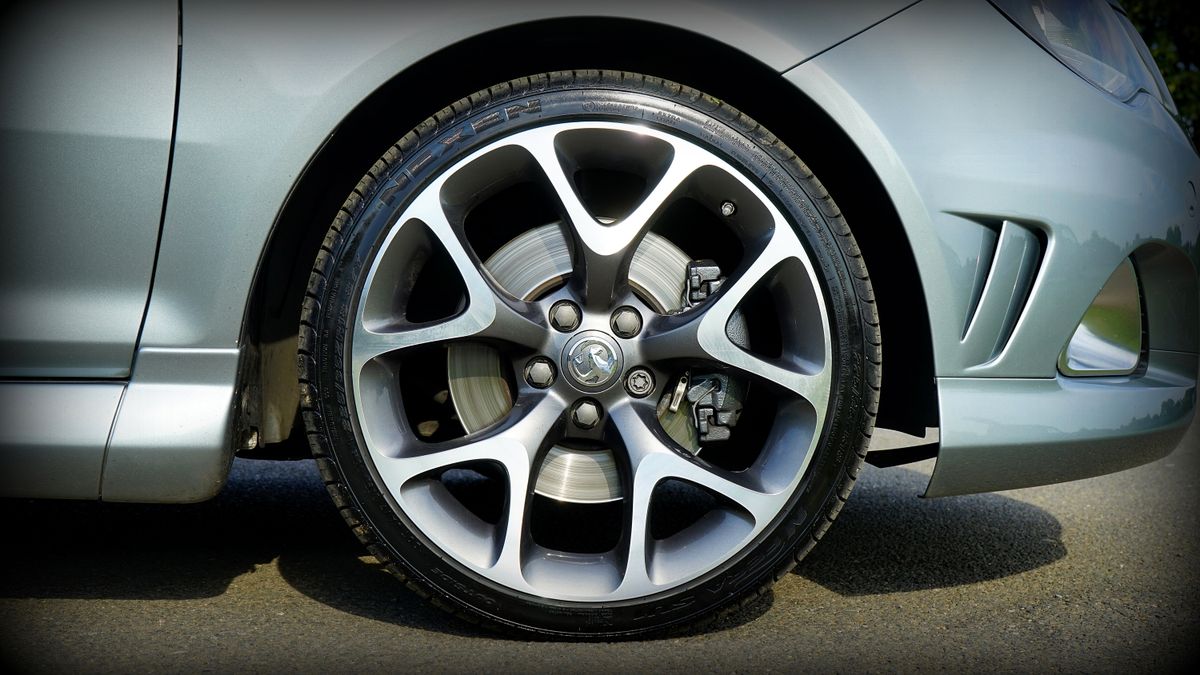
Photo via Pexels
Buyers decide whether to call you in about three seconds, and they decide it from your photos. Before they read a word of your description, before they check the mileage, before they think about the price, they look at the pictures. Good photos make a buyer stop scrolling, open the listing, and start imagining the car in their driveway. Bad photos — dark, blurry, cluttered, or missing the angles that matter — make the same buyer scroll past without a second thought, no matter how good the car actually is.
The good news is that you do not need a professional camera or any special skill. A modern phone, a clean car, good daylight, and twenty minutes of care will produce photos that sell. This guide covers exactly what to do: preparing the car, choosing the light and the location, the shots you must take, the details buyers look for, and the mistakes that quietly kill listings in Fort Myers and Lee County.
Clean the car like you mean it
No photo can rescue a dirty car. Before you take a single picture, wash the car properly — not a quick rinse, a real wash — and dry it so there are no water spots. Clean the wheels and the tires, because dirty wheels are one of the first things a buyer notices in a photo. Wipe down the door jambs and the fuel cap area, which collect grime that shows up clearly in close-ups.
Inside matters just as much. Vacuum the carpets and the seats, including under the seats and in the trunk. Wipe down the dashboard, the steering wheel, and the center console. Clean the windows inside and out, because a smeared windshield photographs terribly and makes the whole interior look neglected. Remove everything personal: the phone charger, the sunglasses, the kids' toys, the fast-food cups, the air freshener hanging from the mirror. A buyer should see the car, not your life in it.
Pay special attention to the things Fort Myers buyers notice. Sand in the carpets and the trunk is a giveaway of beach trips, and it photographs as dirt. Salt air leaves a film on paint and glass near the coast, so a final wipe-down matters. And if the car has been through a summer downpour with a window cracked open, check for mildew smells and stains — a buyer who spots a stain in a photo will assume the worst about flood history. Our guide to flood and salt air damage in Florida explains what buyers are looking for and why they care.
Light and location: the two decisions that matter most
Take your photos in daylight, and take them in the right daylight. The best light is the soft light of morning or late afternoon, when the sun is low and the shadows are long. Midday sun in Southwest Florida is harsh: it creates hard shadows, blows out bright paint, and makes it nearly impossible to photograph a dark car without losing all detail. If you can only shoot at midday, find open shade — under a large tree, beside a building — where the light is even and the car is not in direct sun.
Never photograph a car at night, in a garage, or under a single streetlight. Night photos hide everything a buyer wants to see: the true color, the condition of the paint, the state of the tires, the cleanliness of the interior. A listing with night photos reads as a seller who is hiding something, even when they are not. Daylight is not optional; it is the baseline.
Choose a clean, uncluttered background. An empty stretch of parking lot, a quiet residential street, or a plain wall all work. Avoid backgrounds with other cars, trash bins, construction, or busy signs, because every extra object in the frame distracts from the car and makes the photo look careless. Avoid photographing the car in front of your house if you can — a photo that shows your address, your other cars, or your home is a privacy risk, and it is easy to avoid by driving to a neutral spot. A quiet corner of a shopping center lot on Colonial Boulevard or Daniels Parkway works well, as long as you pick a spot away from the main traffic.
The exterior shots you must take
Start with the standard angles, and take them all. Stand at the front corner of the car, about ten feet away, and shoot the front three-quarter view — the angle that shows the front and one side at the same time. This is the hero shot, the one buyers see first, so make it count: the car should be straight, the wheels should be turned straight, and the whole car should be in the frame with a little space around it. Then do the same from the rear corner for the rear three-quarter view.
Next, take straight side profiles from both sides, a straight-on front shot, and a straight-on rear shot. These flat angles are the ones that show dents, mismatched paint, and panel gaps most clearly, and buyers trust them because they are hard to fake. If the car has a dent or a scratch, photograph it in these angles rather than hiding it — a buyer who discovers damage in person that was invisible in the photos will not trust anything else in the listing.
Finally, take detail shots of the exterior: the wheels and tires, the headlights, the grille, and any special features like a roof rack, a tow hitch, or a sunroof. Photograph the tire tread so buyers can see how much life is left — in Lee County, where summer downpours flood streets regularly, tire condition is a real selling point. And photograph any damage honestly, in close-up, with good light. Honest photos of flaws build trust; hidden flaws destroy it. For help writing the words to match the photos, see our guide to how to describe your car honestly in a listing.
The interior shots that close the deal
Buyers spend their time inside the car, so interior photos matter enormously — and they are the photos most sellers do worst. The biggest mistake is shooting the interior in the dark. Open all the doors, and if the car is in shade, let the daylight in. Shoot from outside the car looking in, rather than sitting inside and shooting at arm's length, because that gives a wider, clearer view of the seats, the dashboard, and the space.
Take a wide shot of the front seats and dashboard from the open driver's door, and another from the open passenger door. Take a shot of the back seats, with the doors open, showing the legroom and the condition of the upholstery. Photograph the dashboard with the car on, showing the odometer reading and confirming there are no warning lights — this single photo answers three questions at once and builds enormous trust. Photograph the center console, the infotainment screen, and the steering wheel controls.
Then take the practical shots: the trunk or cargo area, open and empty, so buyers can see the space; the engine bay, clean and visible, with the hood up; and the spare tire area if it is accessible. Photograph any features that matter — heated seats, a backup camera display, a sunroof — but only if they actually work. And photograph any interior wear honestly: a torn seat, a stained carpet, a cracked dashboard from years in the Florida sun. A buyer who sees the wear in the photos and comes anyway is a buyer who has already accepted it. A buyer who discovers it in person feels misled, and a misled buyer does not buy.
The details buyers zoom in on
Once you have the standard shots, take the detail photos that separate a good listing from a great one. Photograph the VIN plate on the dashboard or the driver's door jamb — buyers who run a history report will want to confirm it matches, and showing it signals you have nothing to hide. Photograph the service records laid out neatly, or the stack of receipts, so buyers can see the car's history at a glance. Photograph both keys together, because two keys is a small thing that buyers notice and appreciate.
Photograph the things that prove the car was cared for: recent tires with visible tread, a clean engine bay, a straight and honest odometer reading, a garage-kept interior that has not been baked by the sun. If you have had recent work done — new brakes, a new battery, a timing belt — photograph the receipt. These photos do not just show the car; they tell a story about how it was treated, and that story is what convinces a buyer to pay a fair price.
Be careful with what you do not photograph. Do not photograph your license plate — blur it or angle the shot so it is not readable, because a plate number can be used to look up information about you. Do not photograph documents that show your full name, address, or financial details. Do not include reflections that show your face, your house number, or your other cars. A quick review of every photo before you post, looking for these details, takes two minutes and prevents problems that are much harder to fix afterward.
Mistakes that quietly kill listings
Some photo mistakes are obvious — blurry, dark, or tilted. Others are subtle and just as damaging. The most common is too few photos. A listing with three photos looks like a seller who is hiding something or who does not care, and buyers will assume the worst about the parts they cannot see. Aim for twenty or more photos covering every angle, inside and out. It takes twenty minutes and it transforms the listing.
Another common mistake is inconsistent photos: a mix of day and night, a mix of clean and dirty, a mix of different locations that makes it look like the photos were taken months apart. Take all your photos in one session, in the same light, in the same place, with the car in the same clean condition. Consistency tells a buyer the photos are current and honest.
The third mistake is filters and heavy editing. A filter that makes the paint look richer than it is, or that hides a scratch, will backfire the moment the buyer sees the car in person. Edit only for brightness and clarity — a slight lift if the photo is a touch dark — and never edit the car's color, condition, or appearance. Buyers in Fort Myers will drive across the Midpoint Bridge from Cape Coral to see your car; they deserve to find the car they saw in the photos. For the full selling process once your photos are ready, see our guide to selling your car privately in Fort Myers.
Frequently asked questions
Do I need a professional photographer? No. A modern phone camera, good daylight, a clean car, and a little care will produce photos that are more than good enough. Professional photos can help for an unusual or high-end car, but for most private sales, the phone in your pocket is the right tool. The camera is rarely the limiting factor — the light, the cleanliness, and the completeness of the shots are.
How many photos should I include? At least twenty, covering every angle outside and inside, plus the odometer, the engine bay, the trunk, the tires, and any damage. More is better, up to a point — a listing with forty clear, useful photos is fine, but a listing with forty near-identical photos is just clutter. Every photo should show the buyer something they have not seen yet.
Should I blur my license plate in photos? Yes. A license plate number can be used to look up information about you and the car, and there is no reason to share it in a public listing. Most phones have a simple blur or markup tool, or you can angle the rear shots so the plate is not readable. Do the same for any document in a photo that shows your name or address.
What if my car has visible damage? Photograph it honestly, in good light, in close-up, and mention it in the listing. Buyers who see the damage in the photos and come anyway are serious buyers who have already accepted it. Buyers who discover it in person feel misled and usually walk away. Honest photos of flaws do not scare off good buyers — they filter out the ones who were going to walk away anyway.
Can I reuse photos from when I bought the car? Only if they are current and accurate. Photos from years ago will not match the car's present condition, mileage, or appearance, and a buyer who notices the difference will lose trust in everything else in the listing. Take fresh photos. Twenty minutes now saves you a lost sale later, and it shows the buyer exactly what they are coming to see.
Good photos are the cheapest, most effective thing you can do to sell your car. Clean it, shoot it in daylight, cover every angle inside and out, show the flaws honestly, and protect your privacy in the process. Do that and your listing will stand out in any search. When the photos are ready and you want to talk about the next step — whether that is listing privately or trading in — call Joe at (239) 364-0709, or browse the current inventory at joescarsfortmyers.com to see what your next car could be.
Questions about a car?
Call Joe — he’ll give you a straight answer and, if there’s a car you like, have it ready for a test drive.
Book an appointmentBrowse inventory