Joes’ Cars Fort Myers · Florida Tips
Buying a Used Car Near the Water in San Carlos Park
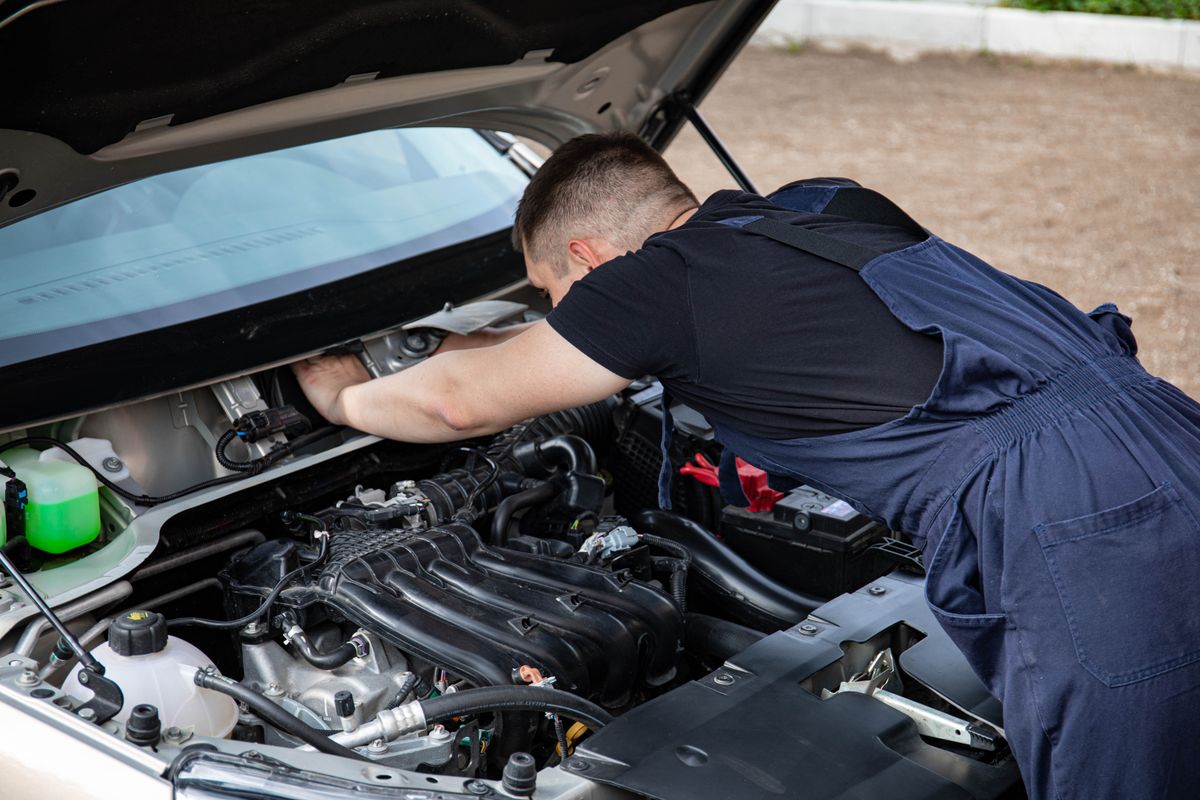
Photo via Pexels
Water changes a car. That is the simplest way to put it, and it is the first thing to understand about buying a used car in San Carlos Park. This is a large, family-friendly residential community south of Fort Myers along US-41, near Three Oaks Parkway, and it sits in a part of Lee County where water is never far away — the Gulf to the west, the Estero River to the south, the Imperial River winding through Bonita Springs, and the canals and drainage channels that thread through the neighborhoods. A car that lives here breathes salt air every day, drives through summer downpours that flood the streets in minutes, and parks in the humidity that settles over the whole county from April through October.
Water does its damage quietly. Salt air corrodes a little at a time. Standing water hides under the carpet and behind the kick panels. Flood damage shows up in the wiring months after the carpets have dried. A car that looks clean from the curb can be rotting underneath, and a car that was never checked properly before you bought it will remind you of the oversight every single day. This guide is about finding that damage before you buy the car. It is written for a buyer standing on Joe's lot on Colonial Boulevard, about 20 minutes north of San Carlos Park on US-41, deciding whether a car is worth taking home to live near the water.
How Water Changes a Car
Water changes a car in three ways, and each one leaves a different kind of damage. The first is salt air. The Gulf is close enough that the breeze carries salt inland across all of Lee County, and salt is patient: it works on brake lines, exhaust parts, suspension components, and the underside of a car a little at a time. A car that spent its life near the coast will show more underbody corrosion than one that lived inland, even if both look clean from the top. Salt does not announce itself. It simply works, day after day, until a brake line fails or a suspension part gives way.
The second is standing water. San Carlos Park sits low, and summer downpours can flood a street in minutes. Hurricane season brings heavy rain to the whole of Lee County, and a car that has sat in standing water hides the damage well: the carpets dry, the seats get cleaned, but the wiring and the electronics remember. Flood water is not clean water. It carries mud, sand, and debris, and it leaves that debris in the places water pools — under the carpet, behind the kick panels, inside the doors, and in the spare-tire well.
The third is humidity. The air in Lee County is humid for most of the year, and humidity accelerates every kind of corrosion. It rusts the parts that salt air has already weakened. It feeds the mold that grows in a damp carpet. It makes a small leak into a big problem, because the car never fully dries out. A car that lives near the water needs to be dried, cleaned, and maintained more carefully than a car that lives in a dry climate, and a car that was not maintained that way will show it.
The Rust Check: Where to Look
The rust check starts underneath the car, because that is where water does its damage first. Get underneath it, or ask Joe to put it on a lift, and look at the frame rails for rust, flaking, or repairs. Surface rust on a frame is normal in Florida. Deep, flaking rust that you can poke through with a screwdriver is not. Check the bed if the car is a truck, and check the floor pan if it is a car — the flat metal under the cabin is one of the first places standing water attacks.
Then look at the brake lines, the fuel lines, and the exhaust. Salt air works on these parts a little at a time, and a brake line that fails on US-41 is a serious problem. Check the suspension parts — the shocks, the springs, the control arms — for leaks, cracks, and worn bushings. A car that was used near the water will show it in the suspension first. Check the exhaust system from front to back: a rusted exhaust is noisy, it leaks, and it is a sign the car has been living in the salt air without enough care.
Inside the car, the rust check goes to the places water pools. Lift the floor mats and press the carpet — dampness underneath is a red flag, and a carpet that feels stiff or gritty has been wet. Pull up the trunk mat and look at the spare-tire well, which is one of the first places standing water collects. Look for a water line, a ring of staining, or silt in the corners. Run your hand along the seat tracks and the bolts under the seats; rust there is a strong sign the car has been wet inside. Our guide to flood and salt air damage in Florida explains exactly where to look and what the warning signs are, and our guide to flood-risk checks in San Carlos Park covers the flood side of the same question in detail.
Flood Exposure: The Hidden Damage
Flood damage is the hardest kind to find, because it hides so well. The carpets dry. The seats get cleaned. The car smells fine for a few weeks. But the wiring remembers, and the electronics remember, and the damage shows up later as problems that come and go: a window that works sometimes, a warning light that appears and disappears, a radio that cuts out, a dashboard light that flickers. On your test drive, test every electrical system in the car — every window, every lock, the lights, the wipers, the radio, the air conditioning, the dashboard. If anything behaves oddly, even once, ask Joe about it and get the car inspected before you decide.
The smell is the first sign. A flooded car smells musty, damp, or moldy, and the smell does not go away. Sellers sometimes mask it with air freshener or a heavy cleaning, but the smell returns when the car sits closed up in the summer heat. Sit in the car with the doors and windows closed for a few minutes. If you smell dampness, mold, or a chemical cleaner that seems too strong for the car's condition, take it seriously. Open the trunk and smell it too — the trunk is one of the last places a seller cleans, and it holds the smell longest.
The history report is a useful tool, and you should always ask for it. Our guide to reading a vehicle history report teaches you how to read it: look for a title brand, for registrations in flood-prone areas, and for gaps in the record where a car may have sat unregistered. But the report only knows what was reported. A car that was flooded and never went through an insurance claim may have a clean report. A car that was flooded, cleaned up, and sold privately may have no record of the flood at all. The report is one piece of the picture. The physical inspection is the other, and the inspection is the one you can trust with your own eyes.
Canals, Rivers, and the Coast
San Carlos Park is not on the beach, but it is not far from the water either, and the water shapes the town in ways that matter for a car buyer. The Estero River runs just to the south, through Estero and toward the bay. The Imperial River winds through Bonita Springs, a short drive down US-41. The canals and drainage channels that thread through the neighborhoods carry storm water away — and sometimes, in a heavy rain, they carry it toward the streets. A car that lives in this town lives with water in a way that a car in the middle of the state does not.
The coast is close enough that the salt air reaches San Carlos Park every day. It is not as strong here as it is on Fort Myers Beach or Sanibel, where the breeze comes straight off the Gulf, but it is present, and over years it does its work. A car that spent its life parked near the beach will show more corrosion than one that lived inland, and a car that spent its life in San Carlos Park will show more than one that lived in Lehigh Acres. When you are looking at a used car, ask where it lived before. The answer tells you how much salt air it has breathed.
The rivers and canals also matter for flood risk. A home near a canal or a drainage channel is more likely to see standing water in a heavy rain, and a car parked at that home is more likely to have sat in it. If you are buying a car that lived near the water, take the flood check even more seriously. Look at the history report for registrations in flood-prone areas, and look at the car itself for the signs: dampness under the mats, silt in the spare-tire well, rust on the seat tracks, and electrical problems that come and go.
The Inspection That Catches What Eyes Miss
Some damage is visible. Some is not. The inspection that catches what eyes miss is the one done by a mechanic on a lift, with the car in the air and the underside fully exposed. A local mechanic's hour on a lift is the cheapest insurance in the whole buying process, and it is never more valuable than when you are buying a car that has lived near the water. Ask the mechanic to focus on the underbody, the frame, the brake lines, the suspension, and the cooling system — the five places where a Gulf-coast car shows its age first.
The mechanic will also check the things you cannot check from the curb. They will look at the condition of the brake lines under pressure, the state of the suspension bushings, the wear on the tires, and the health of the cooling system. They will check the transmission fluid and the engine oil for signs of water contamination. They will look at the electrical connectors for corrosion. And they will tell you, in plain language, whether the car is sound or whether it is hiding problems that will cost you later.
If the car is one you are serious about, get the inspection. It is an hour of a mechanic's time, and it is the difference between buying a car with confidence and buying a car with hope. Our complete guide to buying a used car in San Carlos Park walks through the whole process, from the drive up US-41 to the paperwork at the Lee County Tax Collector, and the inspection is the step that protects everything that comes after it.
Protecting a Car That Lives Near Water
The check does not end when you buy the car. A car that lives near the water needs to be protected from the same water you checked for before you bought it. The first rule is to wash the underside regularly, especially after driving through standing water or near the coast. Salt and silt accelerate corrosion, and a regular wash slows it down. A hose and a few minutes underneath the car, once a month, makes a real difference over years.
The second rule is to keep the drains clear. Every car has drains — at the bottom of the doors, in the sunroof if the car has one, in the trunk, and in the cowl at the base of the windshield. Clogged drains trap water inside the car, and trapped water is what causes the damage. Check the drains when you wash the car, and clear them if they are blocked. It takes minutes and it prevents the kind of slow, hidden damage that costs thousands to repair.
The third rule is to never drive through standing water you cannot see the bottom of. A street that looks shallow can hide a dip, a drain, or a curb, and a car that stalls in standing water is a car that is about to be flooded from the inside. Turn around. Take another route. Wait for the water to drain. And during hurricane season, know where the high ground is in your neighborhood and move the car there before the storm arrives. A car that is parked on high ground during a storm is a car that survives it.
Frequently asked questions
How does living near the water affect a used car? Salt air corrodes the underbody, brake lines, and suspension a little at a time. Standing water from summer downpours and hurricane season can flood the interior and damage the wiring. Humidity accelerates all of it. A car that lived near the water needs a more careful inspection than one that lived inland.
What should I check first on a car that lived near the water? Get underneath it and look at the frame, the brake lines, and the suspension for deep rust. Then check inside for dampness under the floor mats, silt in the spare-tire well, and rust on the seat tracks. Test every electrical system, because flood damage shows up in the wiring.
Does a clean history report mean the car was never flooded? No. A report only knows what was reported. A car that was flooded and never went through an insurance claim may have a clean report. Always do the physical inspection, even when the report looks clean.
How do I protect my car from salt air once I own it? Wash the underside regularly, especially after driving through standing water or near the coast. Keep the drains clear. Park on high ground during storms. And never drive through standing water you cannot see the bottom of.
Is a car from the beach area a bad buy? Not necessarily. A car that lived near the beach and was maintained well — washed regularly, kept in a garage, serviced on schedule — can be a fine car. The question is not where it lived, but how it was cared for. The inspection will tell you.
Browse the inventory and pick two or three cars to see, then call Joe at (239) 364-0709 to set a time — or book an appointment and come up US-41 for a look. Bring this checklist with you, and take the time to check properly before you decide.
Questions about a car?
Call Joe — he’ll give you a straight answer and, if there’s a car you like, have it ready for a test drive.
Book an appointmentBrowse inventory

