Joes’ Cars Fort Myers · Florida Tips
Buying a Used Car Near the Water in Englewood
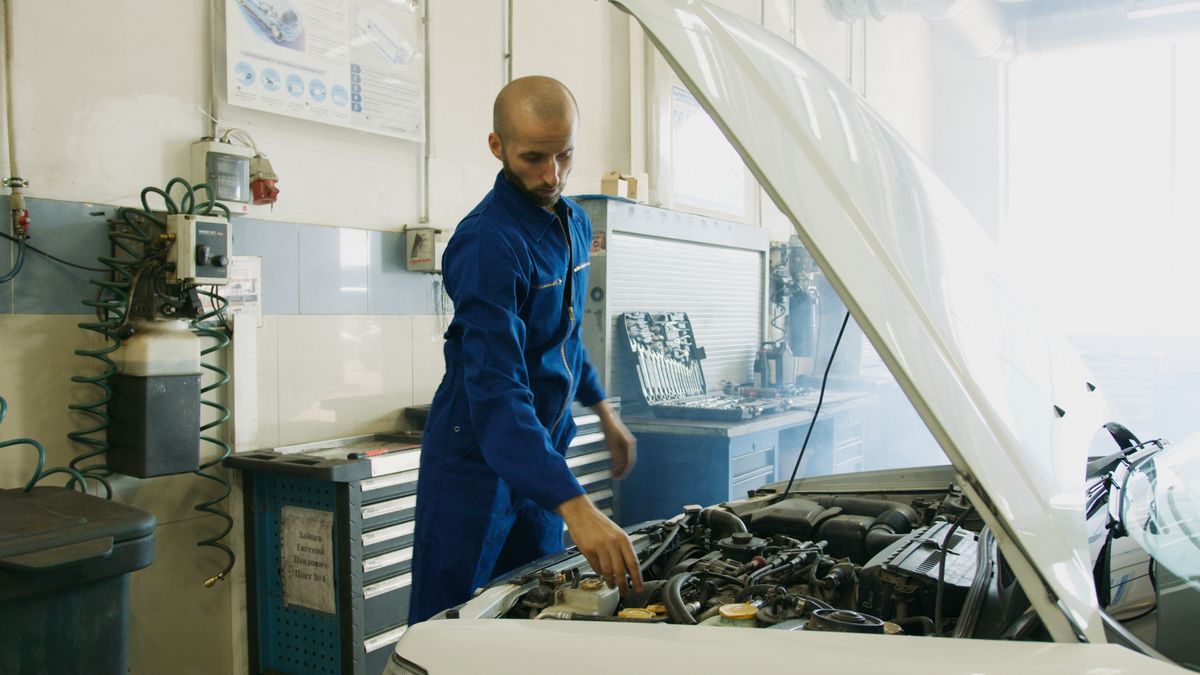
Photo via Pexels
Englewood is a town built around water. Lemon Bay runs along the east side, the Gulf of Mexico is just offshore, Manasota Key stretches out into the Gulf, and canals wind through neighborhood after neighborhood. For many people here, the water is the reason they moved to Englewood: the fishing, the boating, the beach, the view from the back porch. But living near the water changes what a car has to survive, and buying a used car that will live near the water means checking things that a buyer in a landlocked town would never think about.
Salt air is the slow enemy, storm surge is the fast one, and humidity is the constant one. Englewood sits in Sarasota County, on the Gulf coast between Sarasota and Fort Myers, and hurricane season runs June through November here, so a car that lives near the water has to survive all three, every year. Together they attack a car's metal, its electronics, its seals, and its interior, and they do it every day, whether you notice or not. This guide is about what to check on a used car that will live near the water in Englewood, how to tell a car that was cared for from one that was left to the elements, and how to protect the car you buy once it is yours.
How salt air attacks a car
Salt air is invisible, and that is what makes it dangerous. Every day, the breeze off the Gulf of Mexico carries fine salt particles inland, and they settle on every surface, including the cars parked in driveways, on the street, and in open carports. The salt attracts moisture, and the moisture starts corrosion, first on the surface, then deeper. It is a slow process, but in a coastal town it never stops, and a car that is never washed or protected will show it within a few years.
The underside goes first. The exhaust system, the suspension components, the frame, the brake lines, and the fuel lines all live underneath the car, exposed to salt spray kicked up from the road and to the damp air that lingers near the water. Look underneath any used car you consider and check for rust, paying attention to the pattern. Light, even surface rust is normal in Florida and often cosmetic. Deep, flaking rust that you can chip off with a screwdriver is a problem, and it is worse on a car that lived near the water without being washed. Check the brake lines and fuel lines specifically, because these are safety-critical parts that salt attacks first, and a corroded brake line is not a repair you want to discover on the road.
The body is next. Salt attacks the paint from the edges: the wheel arches, the lower doors, the tailgate, and the seams around the hood and trunk. Look for bubbling paint, which is rust working its way out from underneath, and check the door sills and the edges of the panels for roughness. A car that was washed regularly and waxed will look far better than one that sat outside near Lemon Bay for years, and that difference is worth paying for. Our guide to flood and salt-air damage in Florida explains the full rust check in detail.
Canals, driveways, and where the car sleeps
Where a car sleeps matters as much as how it is driven, and in Englewood the answer is often near water. A car parked in a driveway a few houses from a canal, or in an open carport facing the Gulf breeze, lives in salt air all night, every night. A car parked in a garage, or under a covered carport with walls, lives a much easier life. When you look at a used car, ask where it was parked, and look for the evidence: a car that was garaged will have cleaner paint, softer rubber seals, and less rust underneath than a car that sat outside, even if the mileage is the same.
Canal-front homes bring their own risks. A car parked near a canal is close to standing water, and during a big storm or a king tide, the water can rise further than anyone expects. A car that has sat in even a few inches of water can suffer damage to its electronics and its interior, and that damage may not show up for months. The same is true of the low-lying neighborhoods off Placida Road and around Rotonda West, where the water table is high and the drainage is slow. Check the carpet, the spare-tire well, and the seatbelts for signs of water, and look at the bolts under the dashboard and on the seat rails for rust or mismatched hardware that suggests the car was taken apart to dry out. Our guide to flood-risk checks in Englewood covers the water checks step by step.
The driveway itself matters too. A car parked on a low driveway that floods in a summer downpour will sit in standing water regularly, and that water carries silt and salt into the undercarriage. If you are buying a car from a canal-front home, or if you live in one yourself, factor in the cost of regular washing and undercarriage rinsing, because it is the single best thing you can do to fight salt damage.
The checks that matter most near the coast
When you inspect a used car that will live near the water, start with the underside and work your way up. Bring a flashlight, get down low, and look at the frame, the suspension, the exhaust, and the brake and fuel lines. Check for flaking rust, holes, and patched repairs. Look at the suspension bushings and the shock absorbers for leaks and cracking, because salt and humidity age rubber faster than dry air does. Check the CV boots, the rubber covers on the front axles, for cracks or tears, because a torn boot lets salt and sand into a joint that is expensive to replace.
Then check the body. Walk around the car and look at the paint in good light, paying attention to the lower panels, the wheel arches, and the seams. Run your hand along the bottom edge of the doors and the tailgate and feel for roughness or blistering. Open the doors and check the sills and the hinges for rust. Look at the windshield and the window seals for cracking or shrinking, because the sun and salt dry out rubber, and a failed seal lets water into the cabin.
Inside, check the electronics systematically. Work every window, mirror, lock, and light, and test the air conditioning, the heater, and the radio. Salt air corrodes electrical connections, and the first sign is often an intermittent problem: a window that works sometimes, a speaker that cuts out, a dashboard light that flickers. Check the battery terminals for corrosion, which shows as a white or green crust, and check the engine bay for signs of salt buildup on the metal parts. If you want the full buying framework, our guide to buying a used car in Englewood covers the inspection from start to finish.
Protecting your car once it is yours
Buying the right car is only half the job. Protecting it once it lives near the water is the other half, and the habits are simple. Wash the car regularly, and rinse the underside, because salt does its damage slowly and silently, and a regular wash is the cheapest prevention there is. Wax the paint a few times a year to give the salt something to sit on besides the paint itself. Keep the car under cover when you can, a garage is best, a carport is good, and even a car cover helps, because the less time the car spends in direct salt air and sun, the longer it lasts.
Treat the rubber seals with a conditioner a few times a year to keep them soft and sealing, and keep the drains clear, because every car has drains in the door bottoms and the sunroof area that clog with leaves and sand, and a clogged drain turns into a leak. Check the underside once a year, or have your mechanic check it during a service, and catch rust early, when it is a small job, not late, when it is a big one. If you park near a canal or the water, consider an undercarriage treatment, and ask your mechanic what they recommend for a car that lives in Englewood's climate.
The interior needs care too. Shake out the floor mats after beach days, vacuum the sand out of the carpet and the seat rails, and wipe down the seats, especially leather, which dries and cracks in the sun and salt air. A little regular care keeps a beach car looking good for years, and it keeps the resale value up when the time comes to move on.
When to walk away
Some cars are not worth buying, no matter how good the deal looks, and near the water the warning signs are specific. Walk away from a car with deep, flaking rust on the frame, because the frame is the car's skeleton and a compromised frame is not a repair, it is a reason to keep looking. Walk away from a car with a musty smell, silt in the spare-tire well, or stained seatbelts, because those are signs of flood damage, and flood damage hides in the electronics for months before it shows. Walk away from a car with a seller who will not answer direct questions about where the car lived and whether it was ever in standing water, because an evasive seller is telling you something.
Walk away from a car with electrical problems that come and go, because intermittent electrical faults are the hardest to diagnose and the most expensive to fix, and they are a classic sign of salt or water damage to the wiring. And walk away from a car with no service history and no records, because a car that lived near the water and was never maintained is a car that has been fighting salt air without any help. There are plenty of good used cars in Englewood, and you do not need to gamble on a bad one.
Frequently asked questions
How does salt air damage a car? Salt particles settle on the car, attract moisture, and start corrosion, first on the underside, the exhaust, and the suspension, then on the body panels and the paint. Regular washing, waxing, and covered parking slow it down, but it never stops completely in a coastal town.
What should I check underneath a car that lived near the water? Look for deep, flaking rust on the frame, suspension, and exhaust, corrosion on the brake and fuel lines, cracked rubber bushings and CV boots, and silt or sand trapped in the frame rails. Light surface rust is normal in Florida, but deep rust is a serious problem.
Is a car from a canal-front home a bad buy? Not automatically, but check it harder. A car parked near a canal faces more salt air and a higher risk of standing water, so look for flood signs inside and rust underneath, and ask where the car was parked and whether it was ever in water.
How do I protect my car from salt air in Englewood? Wash it regularly and rinse the underside, wax the paint a few times a year, park under cover when you can, treat the rubber seals, and have the underside checked once a year. A little regular care goes a long way.
Does flood damage always show on a history report? No. A car flooded and repaired without an insurance claim may have a clean report, which is why the physical checks matter. Look for a musty smell, silt in the spare-tire well, stained seatbelts, and rusty or mismatched bolts under the dashboard.
Living near the water is the reason most people choose Englewood, and with the right car and the right habits, it is no obstacle at all. Check the underside, check the seals and the electronics, and buy a car that was cared for, not one that was left to the elements. Browse the inventory, call Joe at (239) 364-0709 with any questions about a specific car, or book an appointment through the contact page. We will help you find a car that loves the water as much as you do, and that will still be going strong years from now.
Questions about a car?
Call Joe — he’ll give you a straight answer and, if there’s a car you like, have it ready for a test drive.
Book an appointmentBrowse inventory

