Joes’ Cars Fort Myers · Models
Buying a Used Ford Explorer in Fort Myers: What to Check
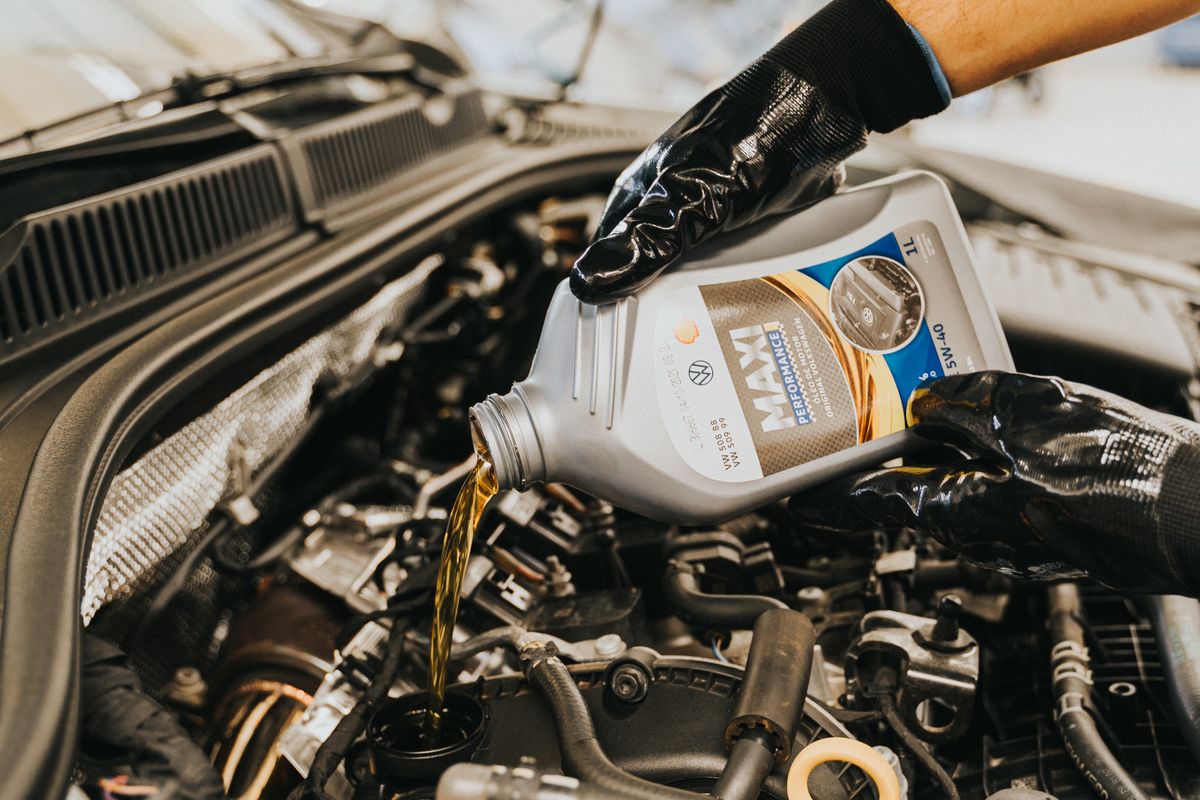
Photo via Pexels
The Ford Explorer is one of the most common family SUVs you will see on the roads around Fort Myers. It makes sense. Three rows of seats, room for beach gear and groceries, enough height to see over traffic on US-41, and enough towing ability for a small boat. For a family in Lee County, it checks a lot of boxes on paper. But a used Explorer is only a good buy if the one in front of you has been looked after, and the Florida climate punishes the exact parts buyers tend to skip over.
This guide walks through what to check on a used Ford Explorer before you buy one in Fort Myers: the model-specific wear points, the Florida checks that matter most here — air conditioning, rust, and flood history — and how to run a test drive that actually tells you something.
If you are new to buying used in Florida generally, start with our guide to buying a used car in Florida and the 15-minute test drive checklist. The checks below build on those basics with Explorer-specific detail.
Start with the paperwork and the history
Before you touch the car, ask for the vehicle history report and the title. Florida requires title transfer within 30 days of purchase, and the Lee County Tax Collector handles registration, so you want the paperwork clean from the start. A title branded as salvage, rebuilt, or flood is not automatically a dealbreaker for every buyer, but you need to know about it before money changes hands, not after.
Read the history report the way a detective would. Look for how many owners the Explorer has had, where it spent its life, and whether the service records show regular maintenance. An Explorer that spent years in the north may carry road-salt corrosion underneath even if the body looks clean. One that spent its whole life in Fort Myers may have sun-baked trim and a tired air conditioning system instead. Neither is fatal on its own, but each points you toward different things to inspect.
Ask the seller what work has been done and when. A seller who can answer in specifics is telling you the car was owned by someone who paid attention. Vague answers are a reason to slow down, not a reason to walk away immediately.
Check the engine and transmission cold
The best time to look at an Explorer is first thing in the morning, when the engine is cold. A cold start tells you things a warm engine hides. When you turn the key, listen for a rough idle, a rattle that lasts more than a second or two, or smoke from the exhaust. A puff of white vapor on a humid Fort Myers morning is normal condensation. Blue or grey smoke that hangs in the air is not.
Pop the hood and pull the dipstick. The oil should look amber to dark brown, not black and gritty, and the level should sit between the marks. Check the transmission fluid too, where the design allows it. Healthy fluid is reddish and smells faintly sweet. Dark brown fluid with a burnt smell is a sign the transmission has been worked hard or the fluid has not been changed on schedule. On an Explorer, the transmission is one of the most expensive parts of the car to fix, so this check matters more than almost any other.
Look for leaks underneath. A few drops of water under the car on a hot day is just the air conditioning drain doing its job. Oil, coolant, or transmission fluid is different. Coolant is usually green, orange, or pink and feels slippery. Transmission fluid is reddish. Oil is brown or black. Get down and look at the ground where the car normally parks if you can. Fresh stains on a clean driveway tell a story the seller may not.
Listen to the engine at idle and under light acceleration. A ticking that rises with engine speed, a whine from the front of the engine, or a grinding noise on startup all deserve a closer look by a mechanic before you buy.
Test the air conditioning like your summer depends on it
In Fort Myers, the air conditioning is not a luxury. It is the difference between a comfortable drive down Daniels Parkway and arriving at work soaked through. Summer heat here is relentless, and an Explorer with weak air conditioning will make you miserable from May through October. Test it properly, not with a quick blast in the parking lot.
Turn the air conditioning on full cold with the fan on high and let it run for several minutes. The air from the vents should get properly cold, not just cool, and it should stay cold at idle, not only when you are driving. An Explorer that blows cold on the highway but warms up at a red light on Colonial Boulevard may have a weak compressor, a failing fan, or low refrigerant from a slow leak. Any of those will get worse in August, not better.
Check the rear air conditioning separately. Many Explorers have rear climate controls, and the rear system has its own lines running under the car. Sit in the third row and feel the rear vents. If the front is freezing and the back is barely cool, the rear system may have a problem, and that is a common complaint on higher-mileage Explorers. Check that the blower works on every speed, front and rear. A fan that only works on high usually means a failed resistor, which is a small fix, but you should know about it before you buy.
While the air conditioning runs, listen for odd smells. A musty smell often means mold in the evaporator or a clogged drain, both common in humid climates. A sweet smell can mean a coolant leak into the heater core. Neither smell is a dealbreaker by itself, but both are negotiating points and both should be fixed before the car becomes your daily driver.
Look for rust and flood damage, Florida style
Salt air and standing water are the two quiet enemies of any used car in Southwest Florida. The Explorer is a big vehicle with plenty of places for corrosion to hide, and a flood-damaged car can look perfect on the surface while hiding trouble in every connector and module.
Get underneath the car with a flashlight. Look at the frame rails, the suspension parts, the brake lines, and the exhaust. Surface rust on an exhaust pipe is normal. Flaking, pitted metal on structural parts is not. Pay special attention to the rear subframe and the lower control arms, where water and road grime collect. Check the rocker panels along the bottom of the doors and the edges of the wheel wells for bubbling paint, which is rust working its way out from underneath.
Inside, pull up the carpet edges in the footwells and the cargo area if you can. Look for silt, sand, or a tide line on the carpet backing, the seat rails, or the metal under the seats. Sniff the car with the doors closed on a warm day. A flood car often smells musty or like heavy cleaning chemicals used to cover it up. Check the spare tire well for standing water or rust, and look at the electrical connectors under the seats for green or white corrosion. Our flood and salt air damage guide goes deeper on every one of these signs, and it is worth reading before you shop.
Also check the door seals and the sunroof drains. A clogged sunroof drain can flood the headliner and the floor during one of our summer downpours, and the repair is annoying and expensive. Pour a little water around the sunroof edge and watch where it goes. It should drain out under the car, not into the cabin.
Inspect the interior, the third row, and the electronics
The Explorer is a family car, and family cars get used hard. Sit in every seat. The third row is the one sellers hope you skip, so do not skip it. Climb back there, fold the seats up and down, and check that the power-folding mechanism works smoothly on both sides. A third-row seat that sticks halfway or grinds is a common Explorer complaint, and you will notice it every single time you load up the family for a trip to Sanibel.
Check every window, every lock, and every seat adjustment. Power seats that move in one direction but not the other, windows that crawl up slowly, and door locks that only work from one switch are all signs of worn motors or tired wiring. None of them is expensive alone, but a car with five small electrical faults is telling you the electrical system is aging.
Test the infotainment screen and the backup camera. The screen should respond promptly, the camera should show a clear image, and the Bluetooth should pair with your phone without a fight. A frozen or rebooting screen is a known Explorer annoyance on some model years, and while a software update sometimes fixes it, a failing module does not fix itself. Check the USB ports too, since a dead port is easy to miss and annoying to live with.
Look at the condition of the seats, the steering wheel, and the pedals. Heavy wear on the driver's seat bolster and a shiny steering wheel are normal on a high-mileage car, but they should match the odometer. A car showing low miles with a worn-through driver's seat and polished pedals deserves a hard question about whether the mileage is real.
Take a real test drive, not a lap around the block
A proper test drive takes at least twenty minutes and covers the roads you actually drive. Start on surface streets, then get onto I-75 for a stretch at highway speed, then come back through town on Colonial Boulevard or Summerlin Road. You need to feel the car at low speed, at highway speed, and in stop-and-go traffic, because different problems show up in different conditions.
On the highway, the Explorer should track straight with the steering wheel centered, and it should not drift or pull when you brake. A pull under braking can mean a sticking caliper or uneven brake wear. Listen for a hum or drone that rises with speed, which can mean worn tires or a failing wheel bearing. Feel for a vibration in the steering wheel or the seat at highway speed, which can mean a balance problem or a worn suspension part.
In town, test the transmission. It should shift smoothly and predictably, without harsh clunks, flares, or hesitation when you pull away from a light. Find a parking lot and turn the wheel fully in both directions at low speed. Clicking or binding on full lock can mean a worn constant-velocity joint or a problem in the all-wheel-drive system, if the Explorer has one. Back into a parking space and check the camera and the parking sensors.
Drive over some rough pavement if you can. Fort Myers has its share of patched roads and speed bumps in gated communities, and a healthy suspension absorbs them quietly. Clunks, rattles, or a floating feeling over bumps point to worn shocks, struts, or bushings. None of that is unusual on a used SUV, but you should know what you are buying.
Finally, park the car, leave it running, and walk around it once more. Look under it for fresh drips and check that the temperature gauge sits steady in the middle. A car that passes all of this is worth a pre-purchase inspection by an independent mechanic before you sign anything.
Frequently asked questions
What is the most important thing to check on a used Ford Explorer in Fort Myers? The air conditioning and the transmission, in that order. The AC works harder here than almost anywhere else in the country, and a weak system will make every summer drive miserable. The transmission is the most expensive major component to repair, so check the fluid condition, listen for harsh shifts, and test it thoroughly on your drive.
How do I know if a used Explorer has flood damage? Look for silt or sand under the carpets and in the spare tire well, corrosion on electrical connectors under the seats, a musty smell that cleaning cannot hide, and rust on seat rails or unpainted metal inside the car. A history report helps, but a hands-on inspection catches things a report can miss.
Should I get a pre-purchase inspection on a used Explorer? Yes, always. An independent mechanic can put the car on a lift and see the underside, check for leaks and worn suspension parts, and scan for stored fault codes. It takes about an hour and gives you a clear picture of what you are buying before you commit.
Does the third row matter if I rarely use it? Yes, because it affects resale and because you will use it more than you think. Fold it up and down, sit in it, and make sure the mechanism works. A stuck or grinding third row is a common Explorer complaint and a sign of how the car was treated.
Is an Explorer with high miles still worth considering? It can be, if the maintenance history is strong and the inspection is clean. Miles matter less than care. An Explorer with regular service records and a clean inspection is a better buy than a lower-mileage one with gaps in its history and worn-out parts.
A used Ford Explorer can be a great fit for life in Fort Myers, from school runs in Cape Coral to beach weekends on Sanibel and boat trips up the Caloosahatchee. The trick is buying the right one, and that means checking the engine, the transmission, the air conditioning, the underside, and the third row before you fall in love with the idea of it. Take this list with you, take your time on the test drive, and get that pre-purchase inspection. When you are ready to look, browse the inventory at Joes' Cars, call Joe at (239) 364-0709, or book an appointment to see the Explorers we have in person.
Questions about a car?
Call Joe — he’ll give you a straight answer and, if there’s a car you like, have it ready for a test drive.
Book an appointmentBrowse inventory

